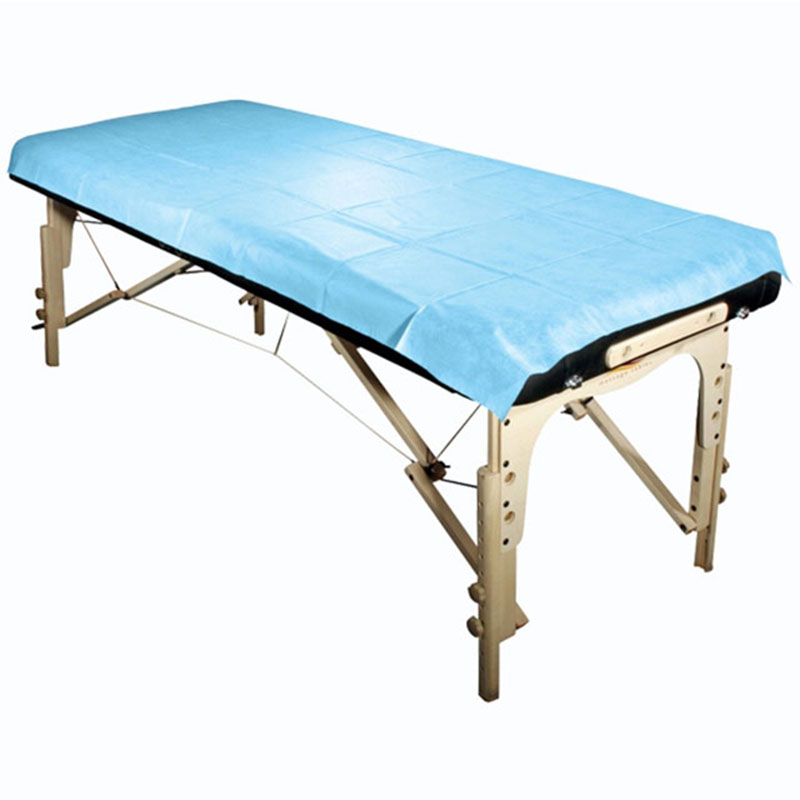
Hospitals, clinics, rehabilitation centers, and medical supplies distributors need quality disposable products to maintain clean patient surfaces and support effective hygiene management. However, choosing between disposable bed sheets and underpads should not depend on unit prices alone. Understanding underpads vs disposable bed sheets helps buyers evaluate fluid resistance, absorption capacity, replacement frequency, and waste disposal requirements to select the most cost-effective solution for clinic bed protection.
An effective absorbent pad comparison should consider product performance, daily consumption, packaging, and supplier reliability. For buyers sourcing products in bulk, working with a reliable waterproof underpad supplier also helps ensure consistent quality, suitable product specifications, and dependable delivery schedules. By evaluating these factors together, healthcare facilities and distributors can make informed purchasing decisions while maintaining patient comfort and controlling operating costs.
Underpads vs Nonwoven Bed Sheets: Key Differences
Both products help protect clinic beds, but their principal purposes differ.
Underpads for Fluid Absorption
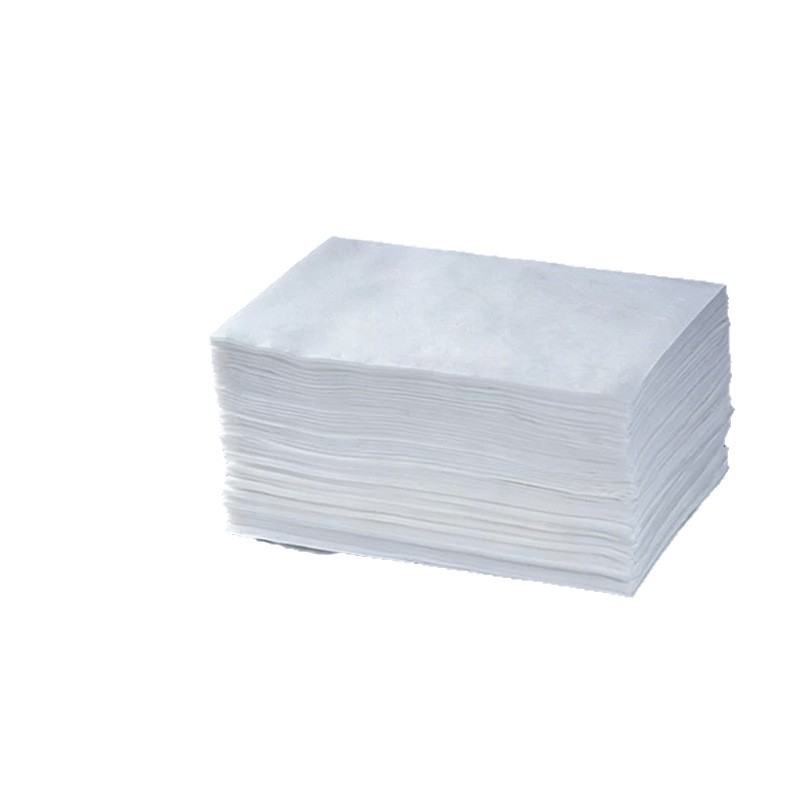
Construction of a normal underpad consists of a nonwoven top layer, a liquid absorbent core, and a liquid resistant backing. The core can include fluff pulp, super absorbent polymer (SAP), and other materials that help to absorb and hold moisture.
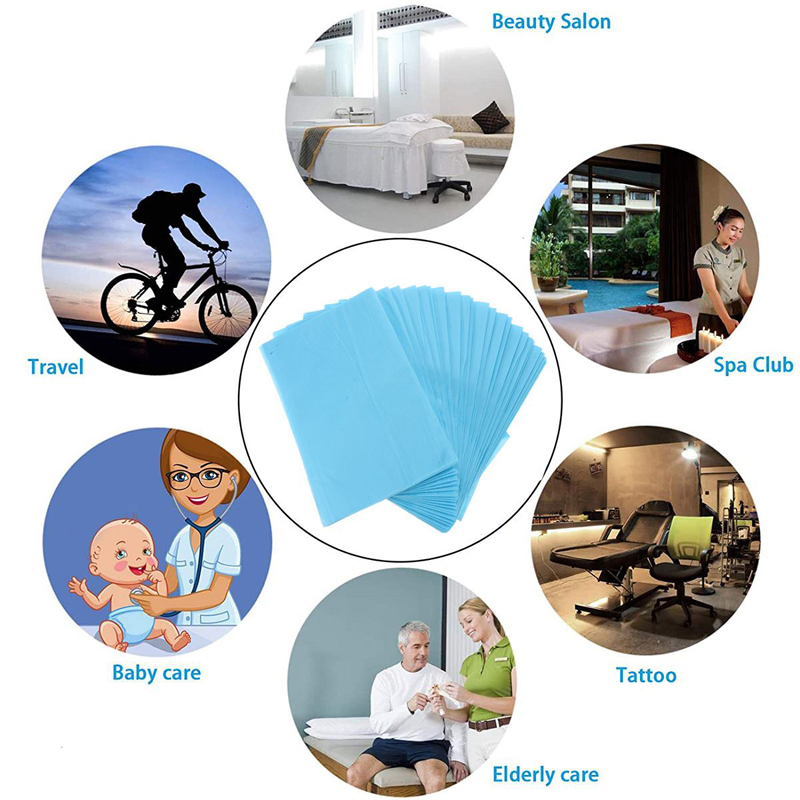
Usage of underpads is common for continence care, post-operative care, transfer, and alike cases where there is a risk of wetting the bed or the examination table with moisture.
When buying underpads, the buyers should assess absorbency, retention, back sheet durability, and size basing on the proved characteristics and samples.
Disposable Nonwoven Bed Sheets for Surface Coverage
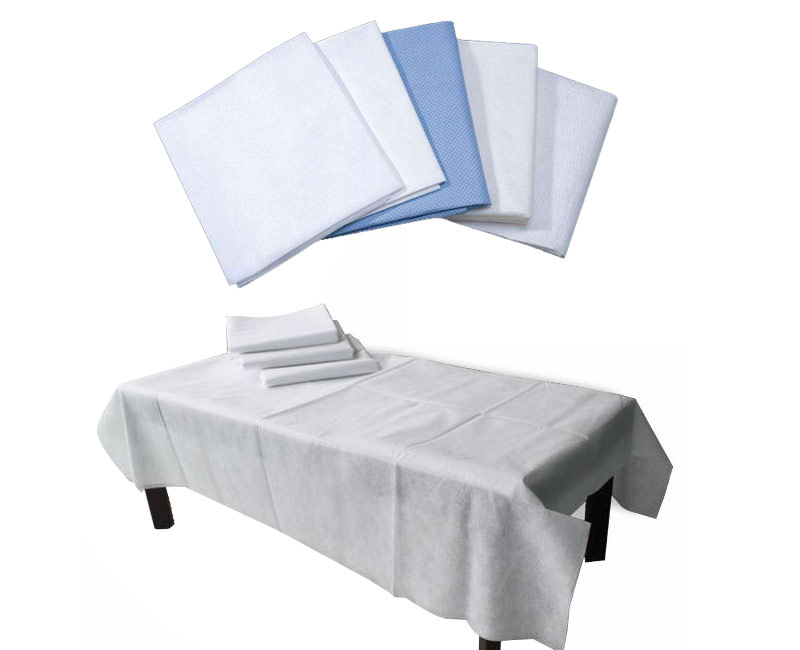
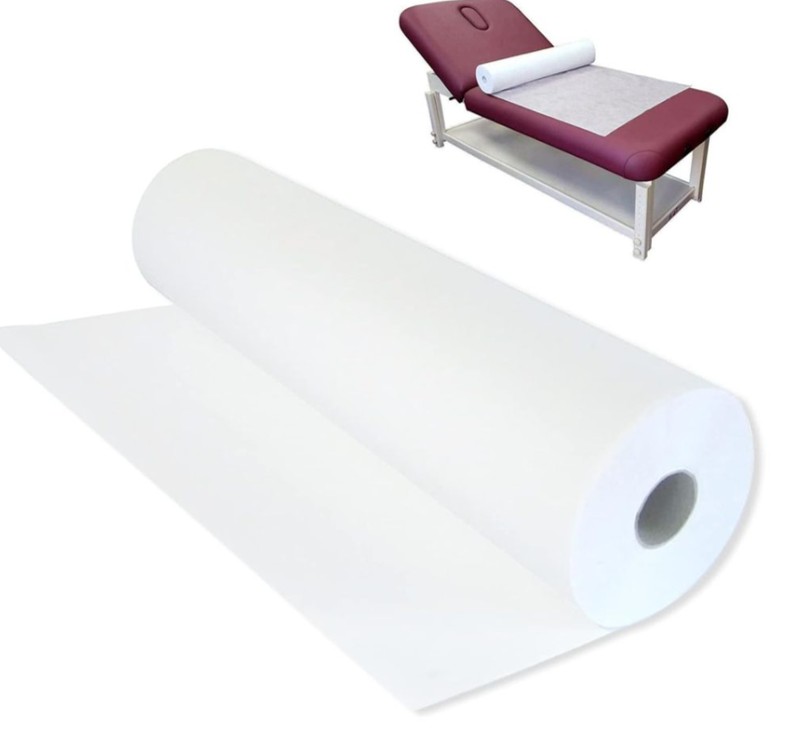
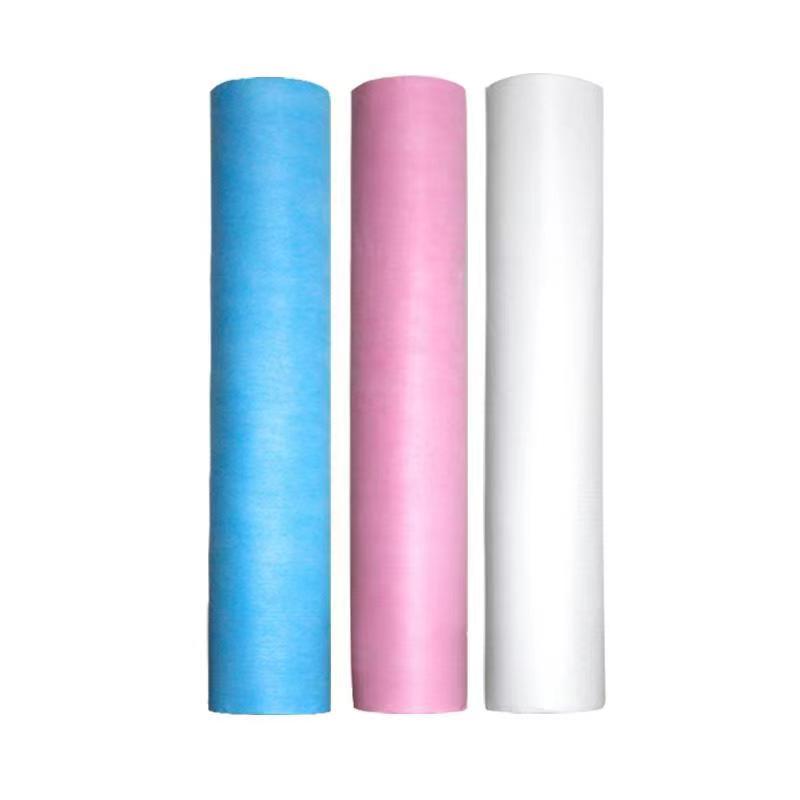
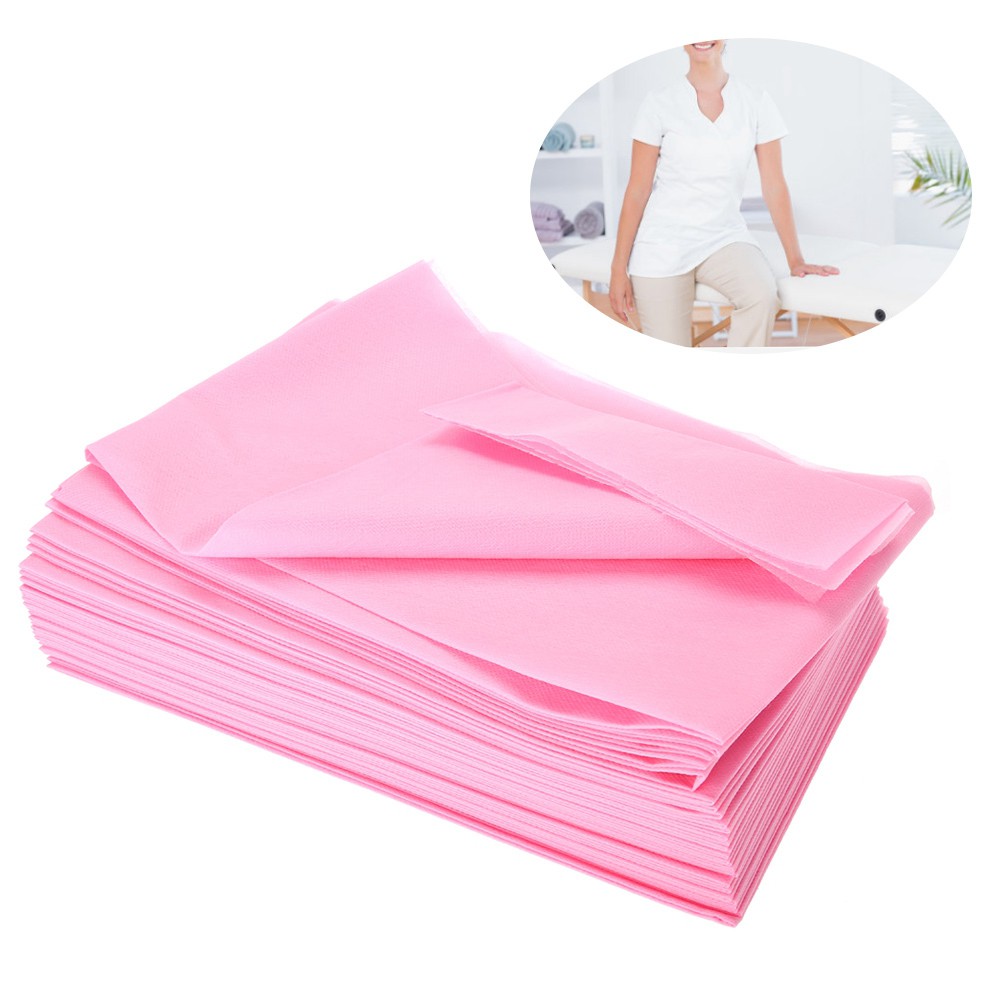
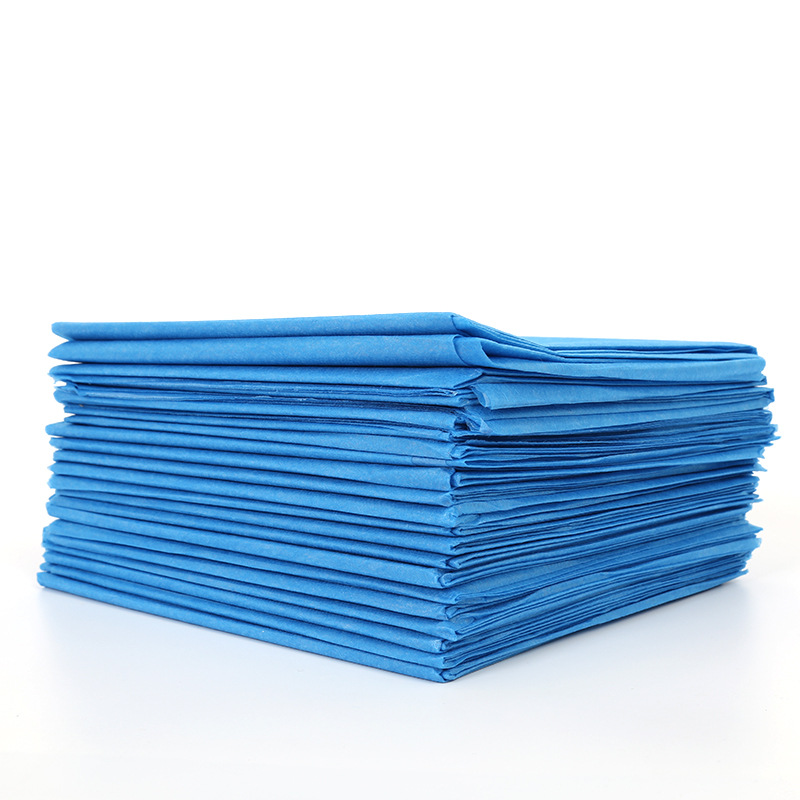
Disposables nonwoven sheets act as a barrier on the surfaces of examination tables, therapy beds, and other types of surfaces. They are particularly effective in an outpatient setting since they need to be replaced after each patient.
It is important to understand that a one-layered nonwoven sheet cannot offer absorbency or waterproof barriers. In case you require barrier features, you must ask for data on laminated or coated materials.
When there is no possibility of any liquids spilling during regular check-ups, these bed sheets are suitable.
Below is the comparative analysis of the two types of products using the same parameters:
| Decision field | Nonwoven bed sheet | Disposable underpad |
| Primary function | Broad surface coverage | Localized fluid management |
| Typical construction | Single-layer or multilayer nonwoven; some products may be laminated | Topsheet, absorbent core and backing when confirmed by specification |
| Absorbency | Do not assume; verify material and test data | Request tested capacity and retention data |
| Fluid barrier | Only when supported by the construction and evidence | Verify backing integrity and leakage performance |
| Coverage | Usually larger surface area | Usually localized to the expected fluid area |
| Change trigger | Soiling, damage, procedure change or facility policy | Saturation, leakage risk, soiling or facility policy |
| Main RFQ data | Dimensions, material, GSM, fit, packing and barrier requirement | Dimensions, absorbent capacity, core, backing, sealing and packing |
Absorbent Pad Comparison: Match Fluid Risk to Product Performance
Fluid exposure risk determines the appropriate product. A simple sheet creates an additional cleaning burden when absorbency is needed, while a high-capacity underpad adds unnecessary cost for routine examinations.
Assess Absorbency and Liquid Retention
Underpads differ in size, core composition and absorptive capacity. A larger product does not guarantee higher absorptive capacity.
When testing absorbent pads, check the amount of fluid absorbed, the rate of absorption, fluid retention under pressure, and resistance to leakage. Ask for test methods and results so that products can be compared under similar standards.
For nonwoven bed sheets, consider tensile strength, tear resistance, softness and any liquid barrier requirements. Do not assume that all nonwovens are waterproof.
Check Liquid-Resistant Backing and Edge Protection
A liquid-resistant backing helps keep fluids away from the mattress surface, but bonding, edge construction and core absorbency must also be considered.
Check for pinholes, inconsistent bonding, delamination and exposed absorbent core. A reliable underpad supplier should explain the material construction and quality control process used.
For bed sheets, determine whether the product is single-layer nonwoven, laminated or otherwise treated. If a fluid barrier is required, request the relevant test information.
Clinic Bed Protection: Choose by Change Frequency
Change frequency affects both purchase cost and staff workload. Procurement should measure actual consumption per patient or procedure instead of comparing price per piece only.
Disposable Bed Sheets for Frequent Changeovers
Single-use nonwoven sheets suit regular consultations, examinations and procedures with little liquid spill risk. Staff can change them after each patient or whenever the sheet is contaminated or no longer suitable, according to facility policy.
In high-traffic facilities, easy unfolding, good coverage and tear resistance simplify room preparation. A cheaper sheet can become more expensive if it tears or requires more frequent changes.
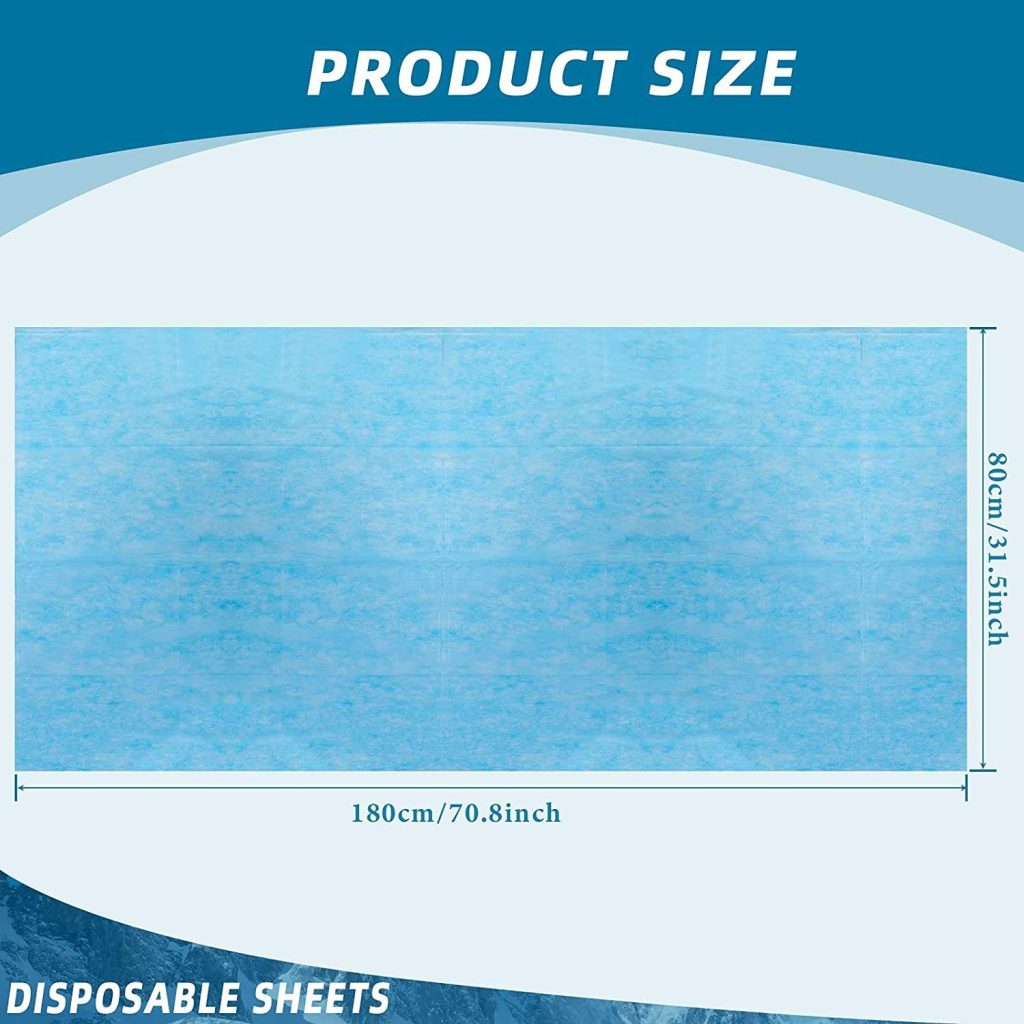
For improved clinic bed protection, buyers should check sheet dimensions, tear resistance, folding and suitability for examination tables.
Underpads for Higher Fluid Exposure
Underpads are needed where mattress contamination or additional cleaning is a concern. The absorbent core and liquid-resistant base provide focused protection in continence care and selected recovery areas.
For instance, a rehabilitation center may need underpads for certain patients, while an ambulatory facility may use only disposable sheets. Either product may be needed within the same medical facility.
Track usage by patient-day, procedure or department to establish real demand. Change underpads when soiled, wet, torn or otherwise unsuitable.
Disposable Bed Protection: Compare Waste and Total Cost
Disposable products reduce laundering requirements yet generate waste. The best decision depends on the amount of product used, the leakage rate and the need for changing surfaces.
Calculate Cost Per Use
Compare the actual cost per protected procedure rather than unit prices alone: product cost per unit × average units used + packaging and disposal cost + any additional cleaning or linen cost. Keep each assumption visible and compare products under the same procedure and risk level.
Compare unit price, pieces used per patient, replacement frequency, clean-up cost and waste disposal. Standardizing products where possible eases purchasing and stocking.
Evaluate Waste Volume and Packaging
Underpads generally contain more components than nonwoven sheets, which have no absorbent core or backing. They can therefore create more waste per piece and need more storage space.
Conversely, an inferior product can increase waste through repeated replacement or leakage, which raises total consumption.
Compare pieces per pack, box size and expected daily use. Buyers should also consider local waste management rules for the destination market.
Underpad Supplier Evaluation: Specifications and Quality
A well-structured supplier assessment protects buyers from inconsistent quality and ambiguous product descriptions. Set clear standards for each application before requesting quotations.
Verify Materials, Dimensions, and Performance
For underpads, set standards for length, width, topsheet material, core composition, backing and edges. Ask for information on absorption rate, retention ability and leakage test results where applicable.
Set standards for dimensions, material, GSM, tensile strength and barrier abilities where necessary.
Also note whether the products are sterile or non-sterile and request the documents that prove this. Requirements vary with product classification and destination, so buyers should check the specific requirements.
Check Packaging and Supply Reliability
Packaging affects storage, transportation and the supply process. Define pieces per package, packages per carton, carton size, weight, labeling and private label requirements.
Compare MOQ, sample availability, production time, manufacturing capacity and shipment methods for each supplier. For international purchases, confirm quotation currency, delivery terms, quotation validity and documentation requirements.
A reliable supplier should explain the specifications, deliver consistent batches, and describe how quality problems and late deliveries are handled.
Absorbent Pad Comparison Checklist for RFQs and Samples
A standardized request for quotation (RFQ) facilitates the comparison of suppliers’ offers. Prepare the following before requesting samples:
| RFQ field | What to provide or confirm |
| Product requirements | Underpad or nonwoven sheet, application, size, and anticipated fluid exposure |
| Technical specifications | Material type, absorbency rate, liquid retention ability, leakage prevention capability, tensile strength, and appropriate testing method |
| Packaging | Number of pieces per package, number of packages per box, box size, packaging, and private label availability |
| Commercial terms | MOQ, sample cost, unit price, lead time, terms of shipment, and validity of quotation |
| Quality assurance | Technical data sheets, inspection process, batch traceability, and relevant compliance documents |
Submit the same requirements to several suppliers and evaluate samples against agreed acceptance criteria. This enables procurement teams to compare actual product performance rather than descriptions that vary between companies.
Conclusion
Underpads tend to be more suitable where liquid absorption and mattress protection are required, whereas nonwoven bed sheets are suited to regular surface coverage and changeovers in examination rooms.
For healthcare procurement departments, selection should consider fluid risk, replacement frequency, waste volume and cost per use. An effective comparison of absorbent pads will also reveal differences in materials, product consistency, packaging and delivery reliability.
Before making a bulk purchase, obtain samples and test them under real operating conditions. Compare specification sheets and quotations from credible suppliers before deciding which products suit your bed protection needs. View our full range of bed protection products on our official website: Medical,pet,hotel,beauty nonwoven supplies & scrub suits – GUANG ZHOU SHIJINGCHENG NONWOVEN PRODUCTS CO.,LTD.
FAQs
Which is preferable: Underpads or Nonwoven Bed Sheets?
Underpads provide localized absorption and a liquid-resistant base, while nonwoven bed sheets cover contact surfaces. Choose according to the fluid risk and the level of protection required.
Can disposable bed sheets replace underpads?
Only when the verified sheet construction meets the required absorption and barrier criteria. A single-layer sheet should not be assumed to provide the same function.
What criteria should buyers consider when evaluating absorbent pads?
Compare dimensions, absorption rate, retention under pressure, leakage resistance, construction and test data, together with packaging, pricing and supplier reliability.
How could hospitals lower costs associated with disposable bed protectors?
Monitor usage, match absorptive capacity to the real leakage risk, standardize specifications where possible, and compare total cost per procedure rather than unit prices alone.
What information should be provided when requesting underpad pricing?
State product specifications, application, absorptivity requirements, materials, packaging quantities, order sizes, target markets and delivery details.
Does disposable mean sterile?
No. Sterile status must be confirmed for the exact product through its approved specification and supporting documentation.
How should change frequency be specified?
Use visible soiling, saturation, damage, procedure or patient change, and facility policy as defined triggers rather than a universal time interval.
How should buyers compare cost?
Compare actual cost per protected procedure using quoted unit cost, average units consumed, packing and disposal, and any additional cleaning or linen cost.