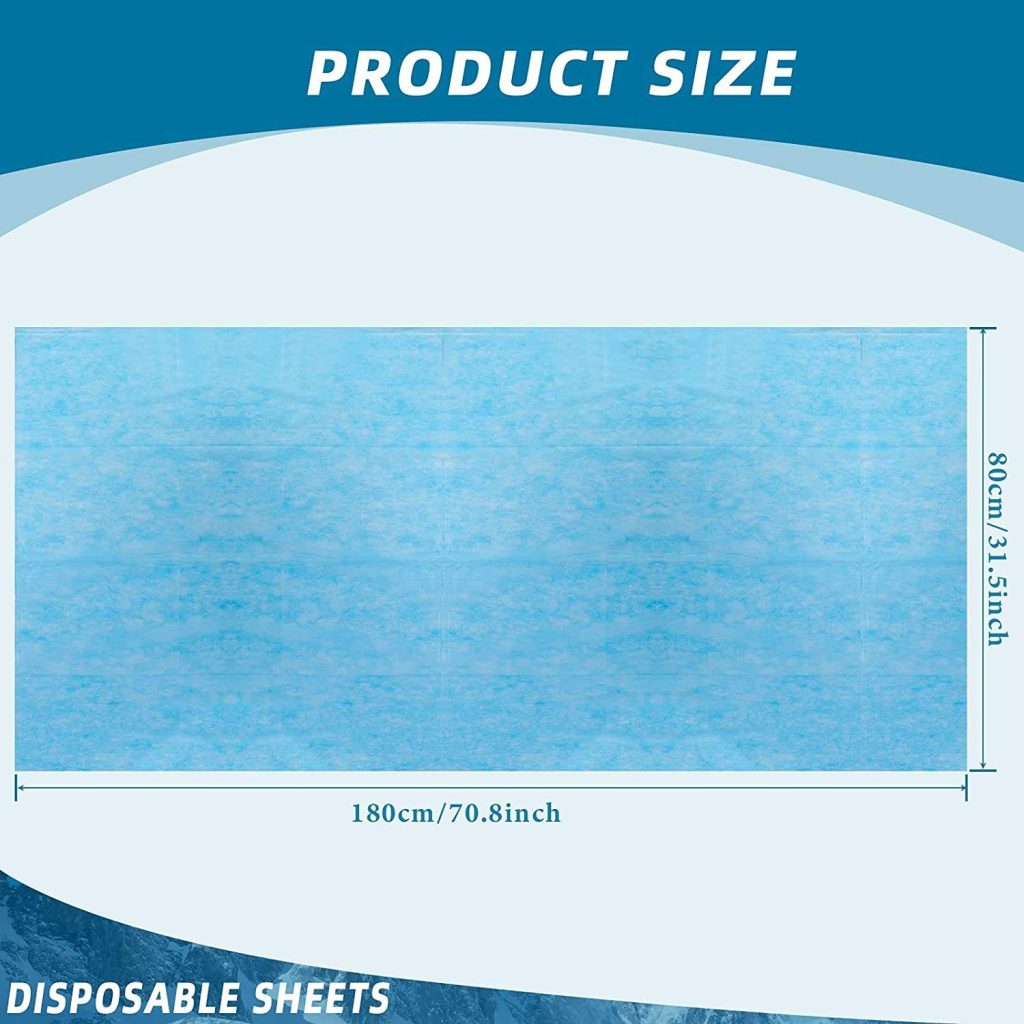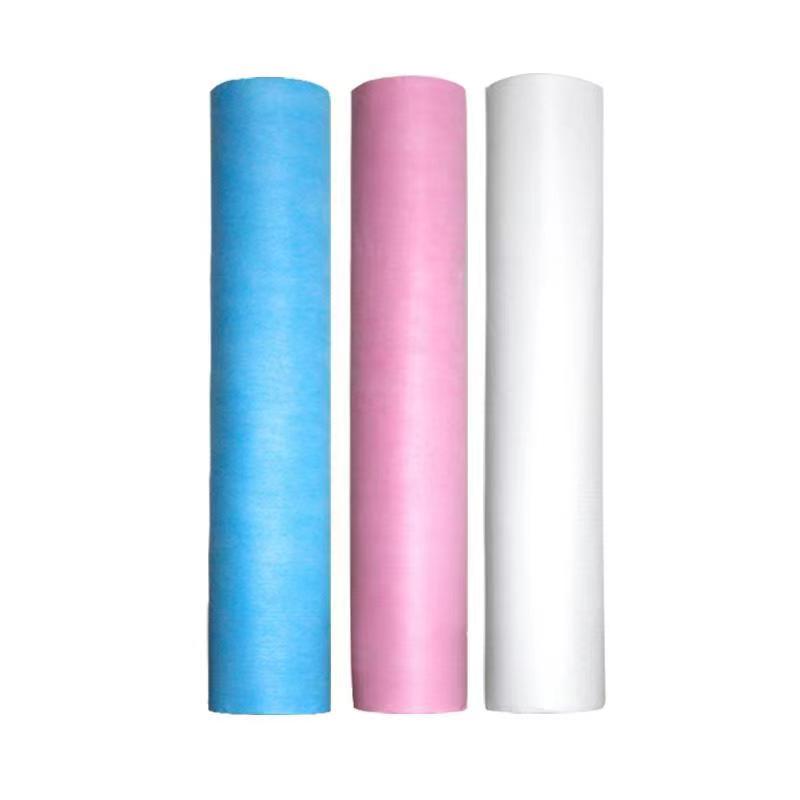
For consumers of medical consumables, PPE providers, and procurement professionals in hospitals’ supply chains, placing a repeat PPE order should be a simpler process compared to looking for a new supplier. Nevertheless, there could be a number of discrepancies in terms of color, nonwoven GSM tolerance, elastic quality control, size, craftsmanship, packaging, and shipping in the case of repeat orders. If the requirements are not controlled, the supplier may succeed in fulfilling the first order but fail to deliver a second or third order of different qualities—undermining overall PPE quality consistency. To avoid this, especially when selling to markets such as the United States, Germany, the UK, France, the Netherlands, the UAE, and Australia, buyers must formulate quantifiable requirements before ordering. The most appropriate solution is to consolidate the sample, purchase order, inspection requirements, and quality documentation with the supplier from the very beginning.
How to Control Color Variance in Repeat PPE Orders
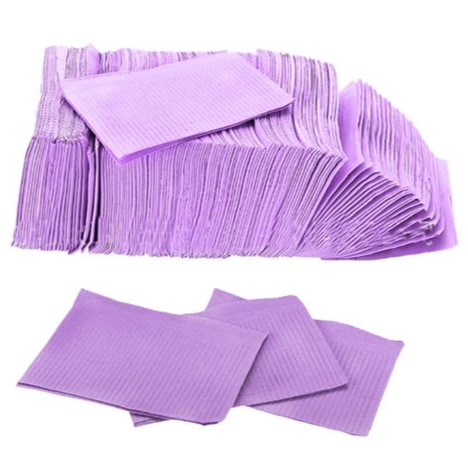
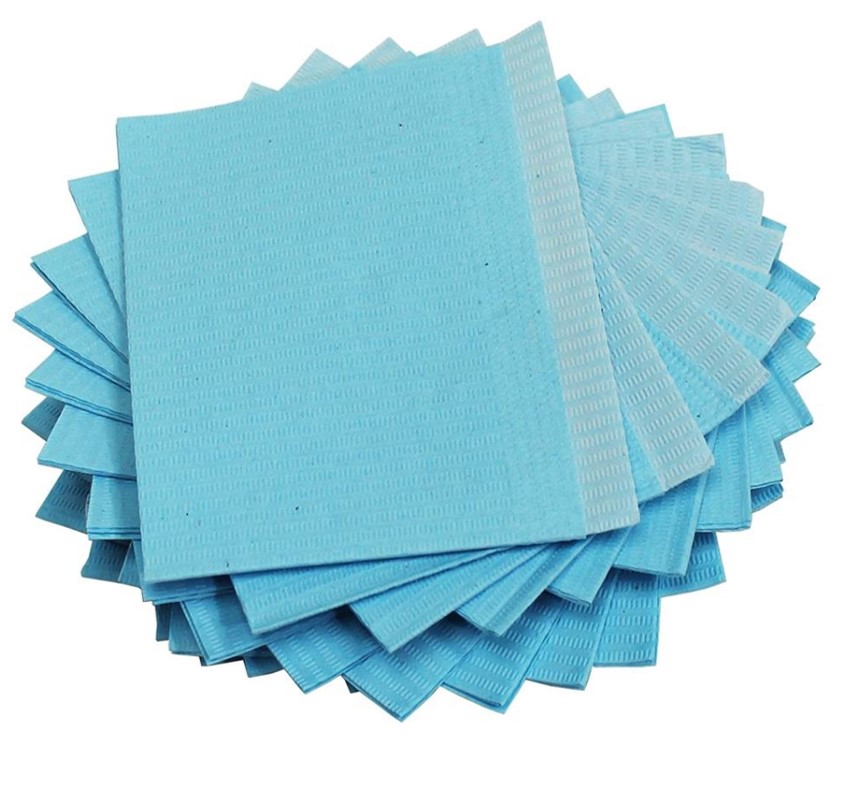
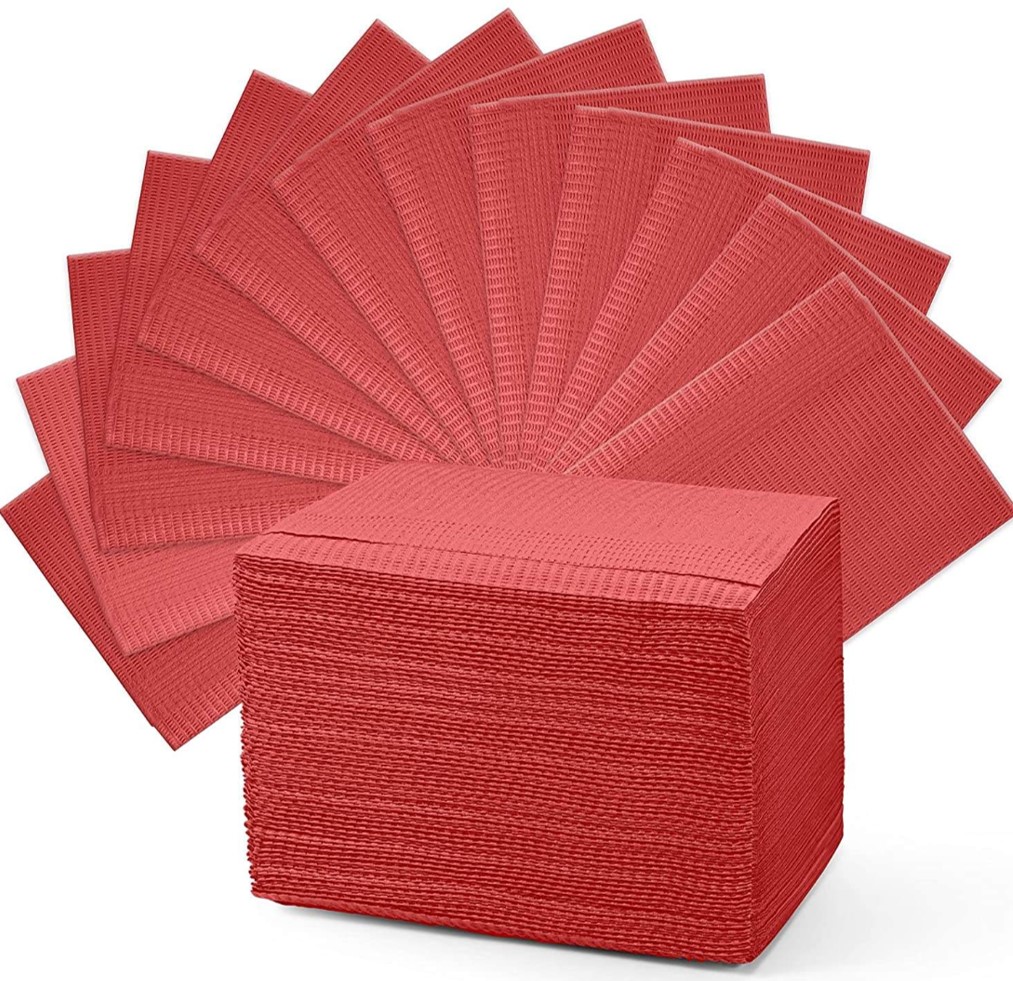
Colors tend to be one of the easiest differences to see. Even when the disposable caps, shoe covers, and isolation gowns are simply functional pieces of medical equipment, hospitals and distributors will want the same appearance in every repeat shipment. A slight variation in the color may become even more noticeable if they are mixing products from different batches. A method for establishing a color reference and testing protocol can help avoid disagreement and enable suppliers to produce consistent batches.
Use an Approved Color Reference
The safest method for controlling color would be to hold on to the production sample which is approved or any other color reference. Buyers should not write “same color as previous order” in their PO but should refer to the approved sample using date, code, picture or revision number. This will provide the supplier with a constant reference and will prevent differences in interpretation by different production personnel of the required color.
Consider Nonwoven Material Lot Differences
Color variations may occur due to differences in shade of nonwoven material made in different production lots. Although even if the supplier uses same nominal color specification, there can be differences in the raw material lot used by the supplier, dyeing process, or manufacturing process. Buyers who place recurring orders should inquire of their suppliers about their material lot control and consistency of production material in relation to the approved color reference.
Define a Practical Inspection Method
The color approval process should be determined by a standardized testing procedure and not by individual assessment. This allows buyers to visually compare their order with the sample provided by the manufacturer according to mutually agreed conditions and methods of inspection. In case when visual similarity is a very important criterion for application, a more objective color assessment technique could also be applied. It is necessary to establish a practical and clear acceptance criteria for both sides prior to production.

How to Control Nonwoven GSM Tolerance in Repeat PPE Orders
The GSM parameter is vital for disposable PPE as it defines weight, tactile properties, and quality of a product. For isolation gowns, caps, and shoe covers, mere GSM indication is often not enough for ongoing procurement process. When it comes to repeat orders, it is necessary to clearly indicate the required GSM, its acceptable tolerance, material composition, and methods of evaluation.
Specify Nominal GSM and Tolerance
The PO should specify the nominal GSM along with the acceptable tolerances rather than stating “40 GSM” or “35 GSM.” The tolerance range needs to be decided on the basis of the product design, material type, use, and supplier’s production capability. By specifying this requirement prior to production, buyers set a quantifiable acceptance criterion and avoid misunderstandings due to varying understanding about acceptable material variances.
Define the Nonwoven Material Clearly
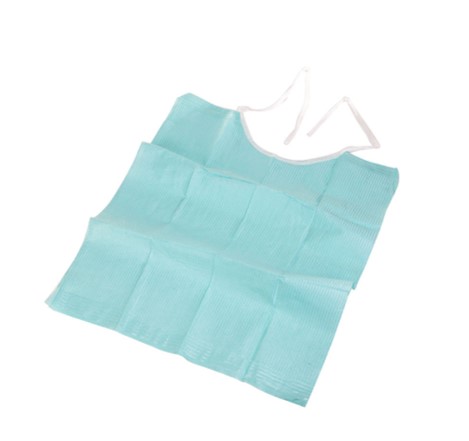
Specifying GSM is not enough to fully specify nonwoven quality. Besides the GSM, buyers should specify the material type and construction, for instance PP spunbond and SMS wherever applicable. For isolation gowns, there may be further performance requirements depending on the use and market where they will be used. This avoids any possible change in construction keeping the nominal GSM same to obtain a different product.
Standardize GSM Inspection
For repeat orders, there should be standardized GSM inspection process in order to make sure that the results can be compared to past orders. The buyer and supplier must come into agreement with respect to the sampling process, the measuring process, and the tolerance for accepting any order prior to mass production. In case there are variations in the inspection process across various orders, it may become challenging to compare accurate measurements. It becomes easier to determine if the last PPE shipment falls within the specification when there is consistency in testing.
How to Maintain Elastic Quality in Repeat PPE Orders
Although elastics are not big parts of disposable PPE, their quality determines how usable the end product will be. Poor quality elastics may cause the cap to loosen, shoe cover to move while using it, or a bad fit for gown cuff among other problems. Since elastic is considered an accessory at times, a supplier may change its specifications.
Specify Elastic Material and Dimensions
It is necessary for the PO to provide the agreed type of elastic material, as well as its width, thickness, length, and the way it needs to be attached when applicable. “Standard elastic” should not be specified by the buyer, since different vendors have a different understanding of this phrase. Specification that allows measuring the parameters gives the purchasing department better ground for inspecting repeat orders and prevents cost-based substitutions that might negatively affect the quality of the product.
Check Stretch and Recovery Performance
It is important to inspect the elastic properties beyond simple visual evaluation. The buyer should understand whether the given elastic will offer sufficient stretch, recovery, and tension properties in the final product. Repeat orders can be inspected on samples taken from different boxes of from different production areas; it is especially relevant for disposable caps and shoe covers due to inconsistency of elastic tension.
Inspect Elastic Attachment Quality
Elastic also needs to be evaluated according to its fixation onto the PPE article. The supplier’s stitching/welding/other attachment method is supposed to be evaluated according to the quality of fixation, uniformity of workmanship, and visible vulnerabilities. A supplier may use good elastic fabric but create failures because of poor fixation. Inspection of the repeat orders has to include evaluation of the fabric as well as the fixed connection between elastic fabric and nonwoven material.
How to Control Repeat PPE Orders Through PO and Supplier QC
Now when we have an approved sample, we need to establish repeat ordering process that would enable the buyers to find deviations from the sample before shipment and not after arriving at the warehouse or hospital.
Write Measurable Acceptance Standards Into the PO
A good PO would also list the product size, type of fabric to be used, GSM, color, elastic, construction, packing, labeling, and tolerance range. The inspection requirements and classification of defects are included in the case where they exist. For isolation gowns, the buyer might have to define the type of closure, the cuffs, sleeves, and other required features. The more measurable the requirement is, the less the room for interpretation when repeating the process of production.
Keep a Golden Sample and Production Reference
The accepted sample is to serve as a reference for future orders. A number for the sample, approval date, version of the product and its specifications can easily be defined. The supplier will not need to rely on his/her memory or internal records when the order for a product comes after a few months. It is especially useful when there are changes in factory staff.
Review Quality and Delivery Records
The repeat order process needs to include a discussion of past inspection results, grievances, remedial measures, packing issues, and delivery record. In case there have been GSM fluctuations or inconsistent elastic tension in any previous shipment, these factors need more consideration during the next production run. In addition, buyers need to make a comparison of the actual production lead time and delivery record with the scheduled times, allowing the purchasing department to assess the supplier based on total supply chain efficiency.

FAQs about Repeat PPE Order Quality Control
What should buyers check before placing a repeat PPE order?
The buyer needs to compare the approved sample from the previous purchase with the specification and quality complaints arising in the earlier purchases. The PO must provide specifications for material, GSM, color, dimension, elastic, workmanship, packing and inspection criteria. It provides the supplier with reference for controlled production and enables the buyer to detect variations before production.
How can buyers prevent different colors between PPE batches?
The buyer should have an approved color reference and it should be included in the PO or product specification. The supplier should use it in future production and ensure variation in non-woven material. Inspection should also be done under controlled conditions. In cases where appearance is commercially important, buyers may include objective color measurements apart from visual comparisons.
What GSM tolerance should be specified for disposable PPE?
Not all GSM tolerance levels will be applicable to all disposable PPE products. This means that the required tolerance level will vary based on several factors including the materials used, the design of the product, the intended use of the product and manufacturing capability of the supplier. It is recommended that the parties should determine the nominal GSM, acceptable range and how to test before production. The key here is that the tolerance should be measurable and consistent with repeat orders.
How can elastic quality be included in a PPE PO?
The buyers can specify the required elastic material, size, stretch/recovery level, attachment and relevant workmanship requirement. The requirement will depend on the intended use of the final product. Testing should include both the quality of the elastic as well as its attachment. Inclusion of these parameters in the PO minimizes chances of supplier changing elastic specification without notice.
What should buyers request during an PPE repeat-order RFQ?
The RFQ must ask for information on product specifications, material composition, GSM allowance, color control system, elastic specification, minimum order quantity, sample time frame, production time frame, packaging setup, quality check system, inspection system, and correction mechanism. There is also room for inquiries on past production capability and repeat order capacity. When taken into consideration with cost, these factors offer a better understanding of the risks involved.
Conclusion
To summarize, quality variations in repeat purchases of PPE are dependent on proactive buyer management and concrete specifications, including maintaining the physical sample of the approved product and specifying acceptance criteria, such as color, GSM, elasticity, etc., in the purchase order. Through this rigorous approach, variation between batches is avoided, confusion because of new staff at the suppliers and different interpretations is avoided, and, most importantly, safety of the product is ensured. For more information, please visit: Medical,pet,hotel,beauty non-woven supplies & scrub suits – GUANG ZHOU SHIJINGCHENG NON-WOVEN PRODUCTS CO.,LTD.