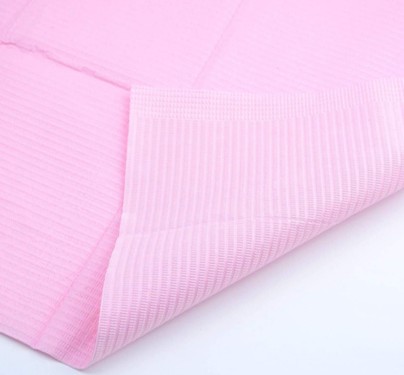
Dental bibs are essential disposable supplies for dental clinics, hospitals, and oral care facilities. For importers, distributors, dental chain procurement managers, and private label buyers, sourcing pediatric dental bib wholesale products involves more than comparing unit prices. Factors such as adult dental bib size, absorbency, fluid resistance, packaging, and delivery reliability all influence purchasing decisions.
Pediatric and adult dental bibs serve different customer needs. Children’s products can feature attractive kids dental bib design options, while colored dental bibs offer opportunities to create differentiated product lines for various dental practices. Understanding these differences helps wholesalers optimize inventory, meet customer preferences, and develop competitive product portfolios across multiple markets.
1. Pediatric Dental Bib Wholesale: Understanding Size Requirements
In considering pediatric dental bibs wholesale buying chances, it is best to start with the users, environments, and specifications first to avoid any misbuying experience that will add up unnecessary expenses for the inventory.
Match Dimensions to Patient Needs
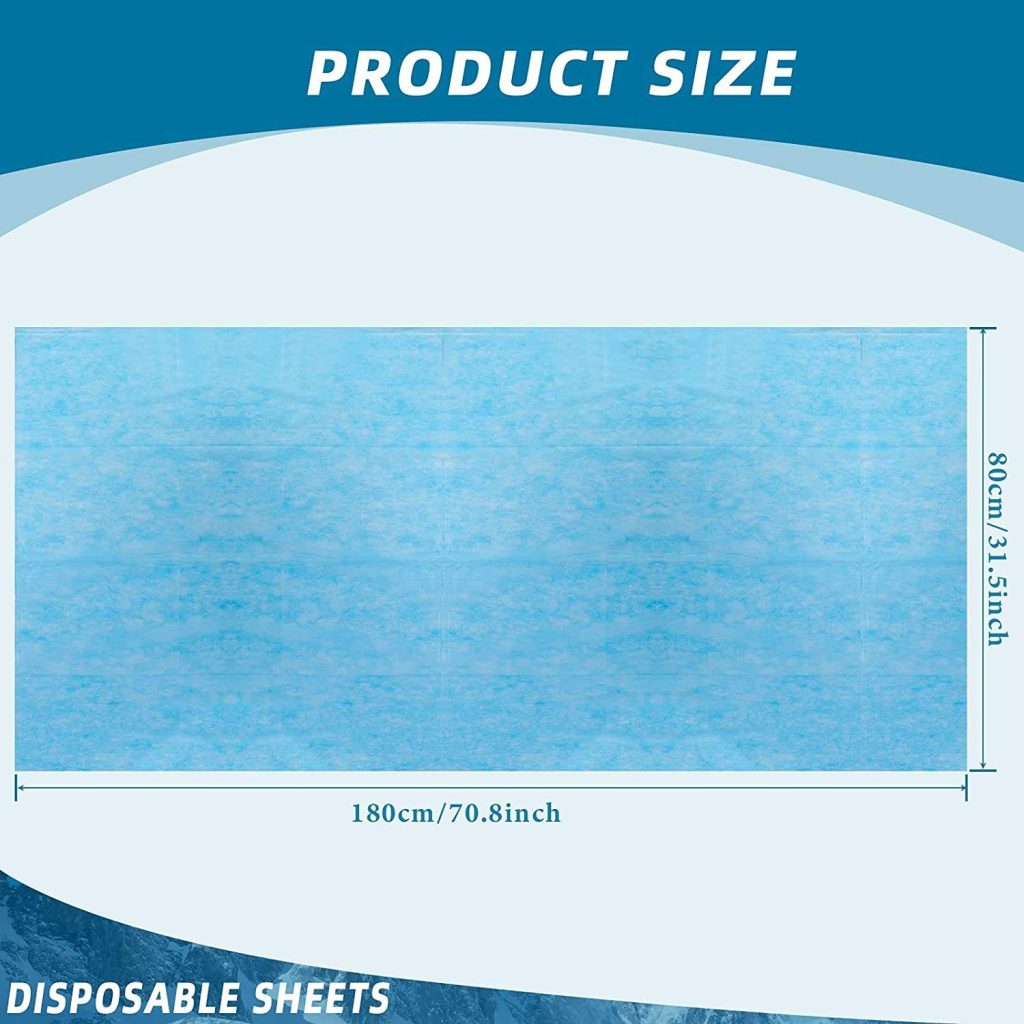
The dental bibs which are meant for adults are generally larger as they need to provide protection against the staining of clothing. Children’s dental bibs can be smaller in size to increase their comfort level by reducing the extra fabric at the back side.
There is no uniform classification of sizes of the dental bibs used by the manufacturers; hence, it would be more practical to go by the measurement of length and width of the bib.
Evaluate Absorbency and Fluid Resistance
Not only does the functionality of dental bibs depend on their design, but their size plays an equally important role. In most cases, disposable bibs are composed of absorbent paper layers attached to a waterproof layer. However, the design varies from one manufacturer to another.
Such questions as ply design, absorbency, wet strength, and fluid resistance become relevant for the importer. It is essential that the samples maintain their integrity when used and are adequately protected by the backside layer.
Develop a Practical Pediatric Range
Pediatric dental bibs will help family dentistry clinics, pediatric dentistry clinics, and product distributors. These are some examples of practical choices: regular small bibs, colored bibs, and printed bibs.
But each added choice means one more item in the list of required minimum purchases. Product distributors should think of products that their clients want to purchase according to their requirements starting with the easiest choice first.
2. Adult Dental Bib Size and Kids Dental Bib Design
Once the basic specifications of the product have been outlined, one may proceed to examine how size and appearance contribute to product differentiation. The combination of the two products is likely to widen the client base of distributors.
Select the Appropriate Adult Dental Bib Size
Choosing the appropriate size of an adult’s dental bib involves balancing adequate coverage, comfort, and use. Consumers should analyze dimensions, materials, and level of use rather than assume that items with similar names are identical.
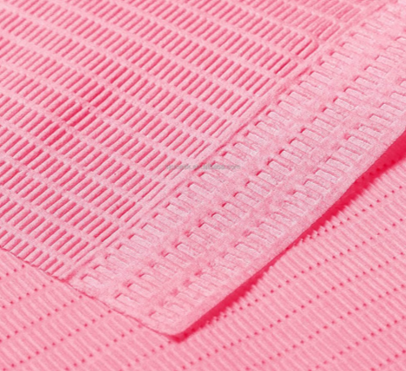
Perforated edges, embossed design, and thickness of material could be considered in this regard as well. For dental chains, uniform dimensions among recurring orders become even more important since standardization makes order placement much easier.
It is essential to first test the product in the appropriate setting and record the specifications before the approval and procurement of the product. It helps to establish a benchmark for comparing quotes and future deliveries.
Evaluate Kids Dental Bib Design
Designs of kids dental bibs provide the possibility for differentiation of products meant for children using vibrant colors and images along with coordinated visual concepts.
However, visual attractiveness must not take the place of functional requirements. It is necessary to make sure that printing is consistent and that it does not interfere with absorbency and water repellent nature of the backing material. Buyers have to ask for detailed information on the printing materials.
Buyers who purchase private label products may come up with unique designs that will correspond to their corporate identity. Prior to printing, it is necessary to approve artwork and colors.
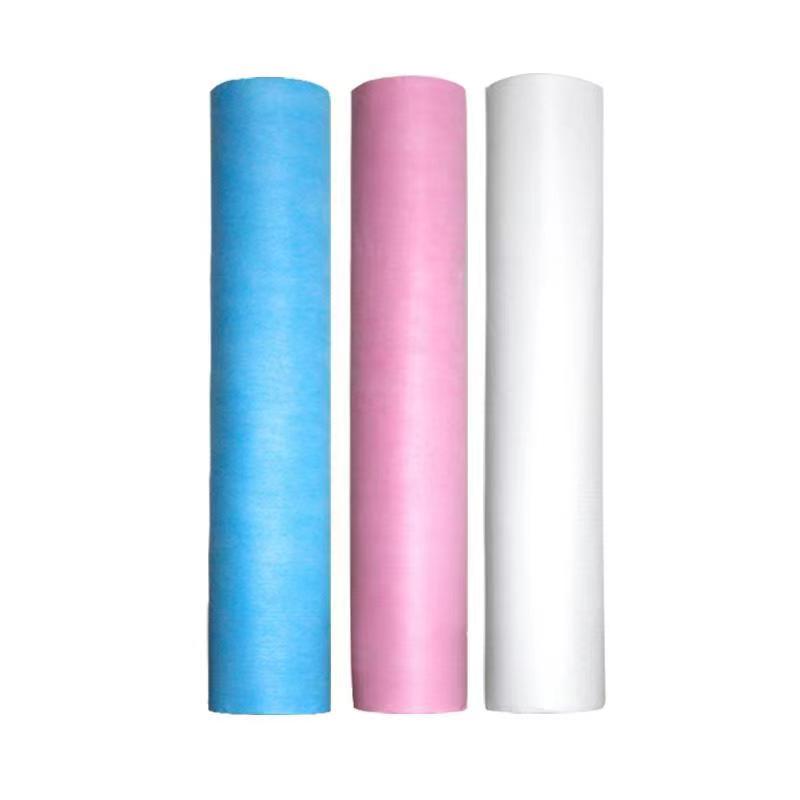
Use Colored Dental Bibs to Segment Product Lines
Use of colored dental bibs will enable the wholesaler to cater for various types of customers through appropriate product differentiation. While neutral colors will suit the ordinary dentist offices, bright colors will be more suitable for pediatric clinics. The chain dentists may prefer to use coordinated colors.
It is important to consider availability of the colors, minimum quantity required, and market demand during ordering. Buying more colors than necessary may result in dead stocks, especially where each color must be manufactured separately.
Get color samples or color references before the manufacturing process begins. In case you wish to order the private label products, verify that the manufacturer is able to replicate your preferred colors consistently in future deliveries.
3. Quality, Packaging, and Delivery Requirements
After the determination of the products’ range, buyers are supposed to specify the quality and delivery terms before issuing the quotation requests. Written specifications will help to make the supplier comparison more accurate and prevent the supply of the wrong products.
Establish a Quality Inspection Checklist
The supplier needs to offer clear specifications and facilitate constant testing for quality assurance. The buyer should test for absorbency, resistance to fluids, paper strength, wet strength, sizing and edges.
Packaging needs to be tested as well for cleanliness, moisture protection, quantity, and box durability. In large purchases, buyers can set standards for inspection prior to production and obtain proof on how the manufacturer tests product consistency.
Importers shipping into the USA, Germany, UK, France, Holland, UAE, and Australia need to ensure that product classification and import requirements are met. Requirements may differ depending on product claims and usage, so buyers cannot assume that one certificate suffices for all markets.
Compare Packaging and Private Label Options
Packing will affect storage, transportation, distribution, and customer interaction. Bulk packaging can be suitable for distributors selling to large clinics, while small packages can be suitable for independent clinics.
Private label clients may want custom-designed bags, dispenser boxes, labels, barcodes, and master cartons. Prior to accepting artwork design, check the number of bibs per pack, units per carton, carton dimensions, gross weight, and label specifications.
Customizing packing comes at an extra cost and minimum order quantities. In case of first-time orders, customization of labels on standard products can be a practical approach.
Confirm Lead Times and Shipping Arrangements
It will serve no purpose even if the company does not offer its goods on time even though the company offers its products competitively priced.
The quotation should clearly mention the plans for manufacturing, payment, delivery, and handling of goods that do not conform to quality standards.
If there is any order with different sizes or different printing, make sure whether all these varieties can be delivered through the same manufacturing process.
The importers have to consider the landed cost rather than just the factory cost.
4. Supplier Comparison and RFQ Checklist
A structured supplier evaluation helps wholesalers compare manufacturers objectively and identify potential risks before committing to large orders.
Compare Suppliers Beyond Price
Evaluation of consistency, capabilities, customizability, minimum quantity, communications, and delivery is required for buyers. They have to verify if the supplier manufactures its own products and if they are able to supply products of consistent specification in subsequent orders.
The quality of the samples has to be verified against the specifications mentioned in the document and not only by visual inspection. Maintaining of samples and documents will be helpful in resolving disputes.
Prepare a Complete Request for Quotation
A proper RFQ will help in formulating the quotations by the manufacturers. The buyer should have the following information:
Specifications: Sizes, structure, material content, absorption properties, wet strength, and requirements for backing.
Variants: Number of variants for adults and pediatric use, preferred colors, designs on products, and number of variants.
Packaging information: Number of bibs in each pack, packs per box, language on labels, bar codes required, and print artwork.
Quality information: Test certificates, method of inspection, materials used, and certificates of compliance.
Commercial information: Price per unit, minimum order quantities, sample prices, production time, payment terms, delivery terms, and validity of the quotation.
The buyer should indicate the target market and anticipated order quantity to facilitate quotation formulation.
Reduce Risk Through Sample Approval
Before making any large order, test samples representing various sizes, constructions, and print designs. If an order has several colors, check them separately, not all of them from just one sample.
A trial order could be useful for assessing manufacturing consistency, packaging, delivery quality, and communication skills of your supplier. When the order satisfies you, record specifications and use them for subsequent orders.
Conclusion
Pediatric and adult dental bibs present wholesalers with the chance to cater to different clinical requirements through well-thought-out product selection. Adult products should focus on proper coverage and high reliability, whereas pediatric ones may include small sizes and attractive prints.
For importers, distributors, procurement officers in dental chains, and private label buyers, successful sourcing means more than merely securing a good price. Specification comparison, quality assessment, packaging evaluation, customization options, and logistics considerations will assist in minimizing purchasing risks.
Explore our dental bib product range at Medical,pet,hotel,beauty nonwoven supplies & scrub suits – GUANG ZHOU SHIJINGCHENG NONWOVEN PRODUCTS CO.,LTD to discover wholesale and private label solutions tailored to your market requirements, product specifications, and purchasing needs.

Frequently Asked Questions
1. What is the difference between pediatric and adult dental bibs?
The dimensions of children’s bibs are usually small, and these bibs are available in designs that appeal to children. In comparison, adult bibs are usually larger, cover more area, and have a more traditional look.
2. How should wholesalers choose an adult dental bib size?
Measure dimensions, examine coverage with regard to the intended procedures, and conduct tests on samples. Make sure that the dimensions are within tolerance to make sure future orders will be alike.
3. What should buyers check before ordering pediatric dental bibs wholesale?
Some major factors include size, absorption level, waterproofing, wet strength, print quality, packing, minimum quantity orderable, production lead time, etc.