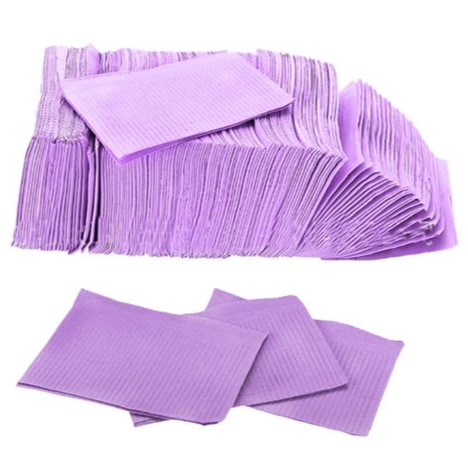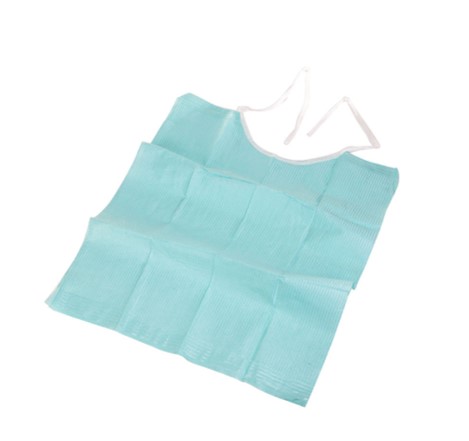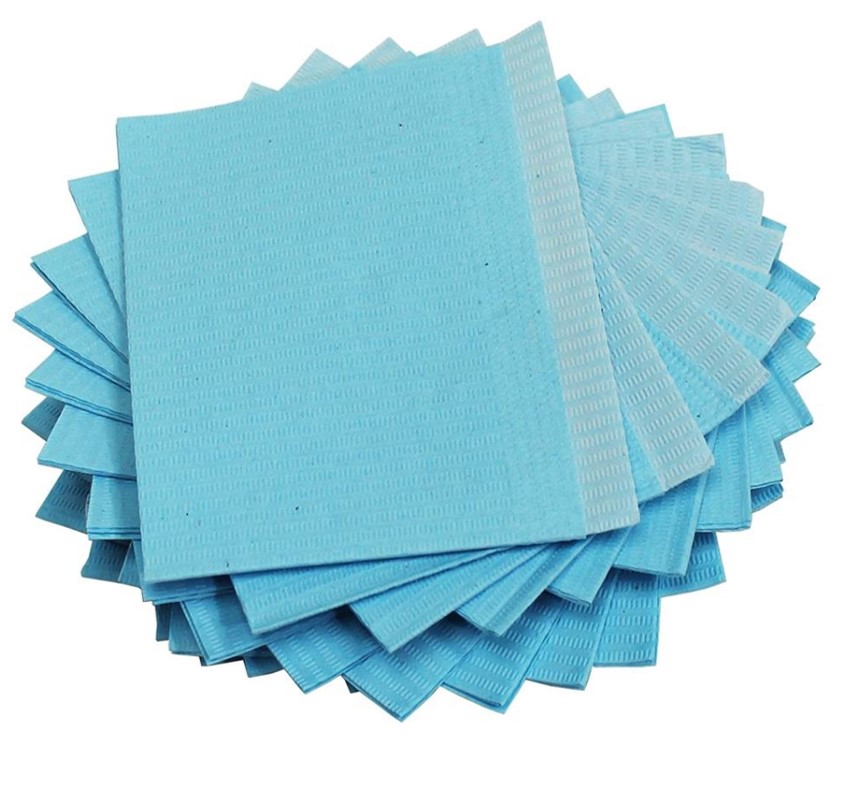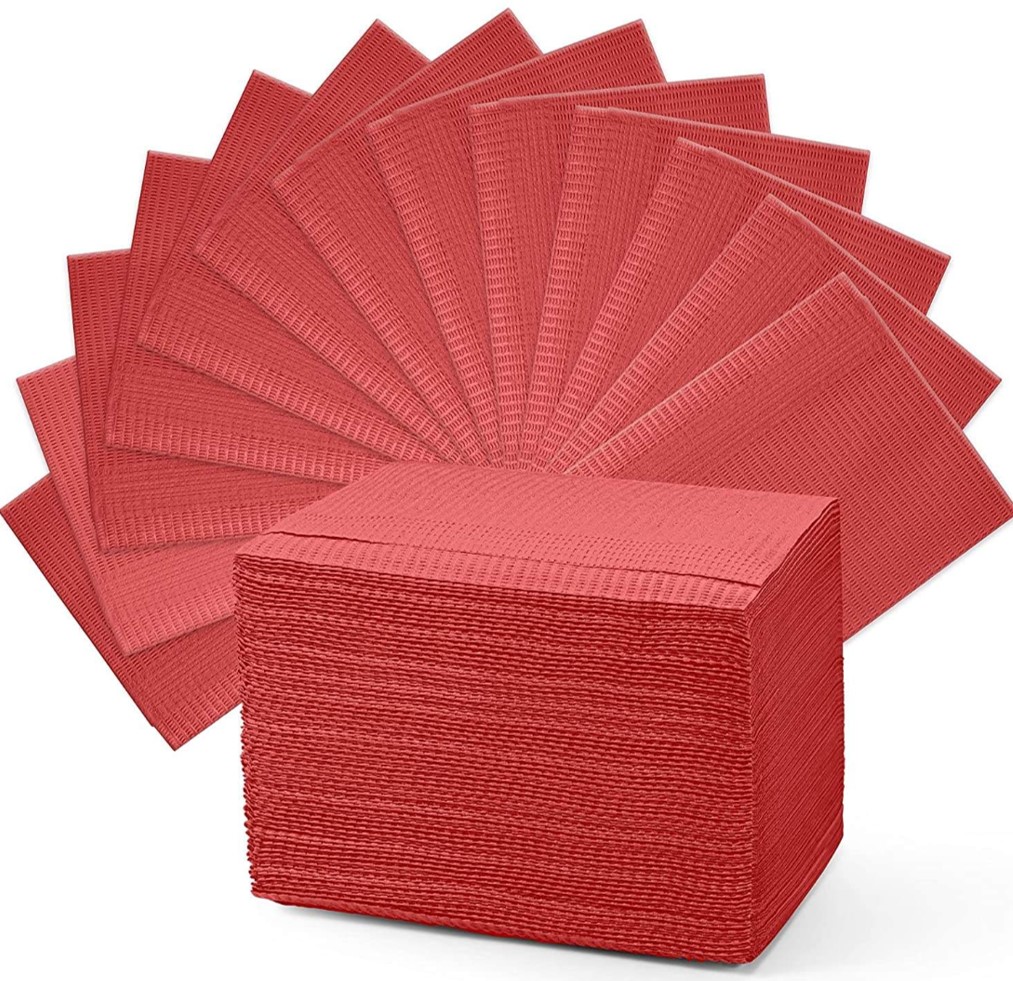
For medical consumables sample approval, importers, PPE distributors, and hospital supply chain procurement managers should carefully evaluate a PPE pre-production sample, using a golden sample checklist and medical supply QC process to verify GSM, dimensions, color, workmanship, packaging, and labeling before bulk production. This structured approach helps establish a clear production standard and reduce avoidable quality and delivery risks.
For international buyers serving the United States, Germany, the United Kingdom, France, the Netherlands, the UAE, and Australia, the approval process should connect product specifications with quality control, packaging, documentation, supplier capability, and delivery requirements.
Medical Consumables Sample Approval Checklist for Product Specifications
Buyers should ensure that the physical medical consumables sample matches the written specifications before approving the sample. The key features must all be quantifiable, thus ensuring that the same specifications can apply when conducting inspection during manufacturing.
Material and GSM Approval
Material type and GSM must be verified before sample approval. In products such as nonwoven gowns, coveralls, shoe covers, caps, and other types of PPE, GSM gives an indicator of the fabric weight. Buyers should compare the sample to the agreed specification and develop a tolerance level. Other material features like structure, softness, thickness, durability, and overall quality must also be verified.
Color and Appearance Approval
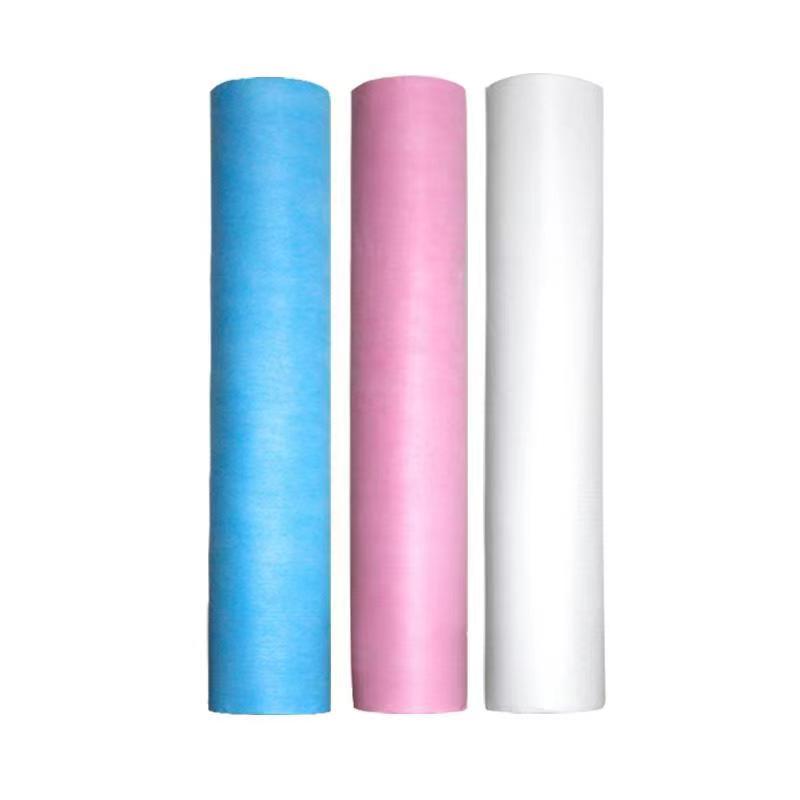
Color verification should be made by means of a reference for possible discrepancies to appear in a big production run. It is necessary to inspect the color, uniformity of the surface, printing, labeling and personalized components of the textile. Any visible defects like stains, discoloration, loose threads, wrinkles and uneven printing have to be documented too. In case the personalized packaging has to be used, its color and artwork have to be inspected along with the samples.
Dimensions and Size Approval
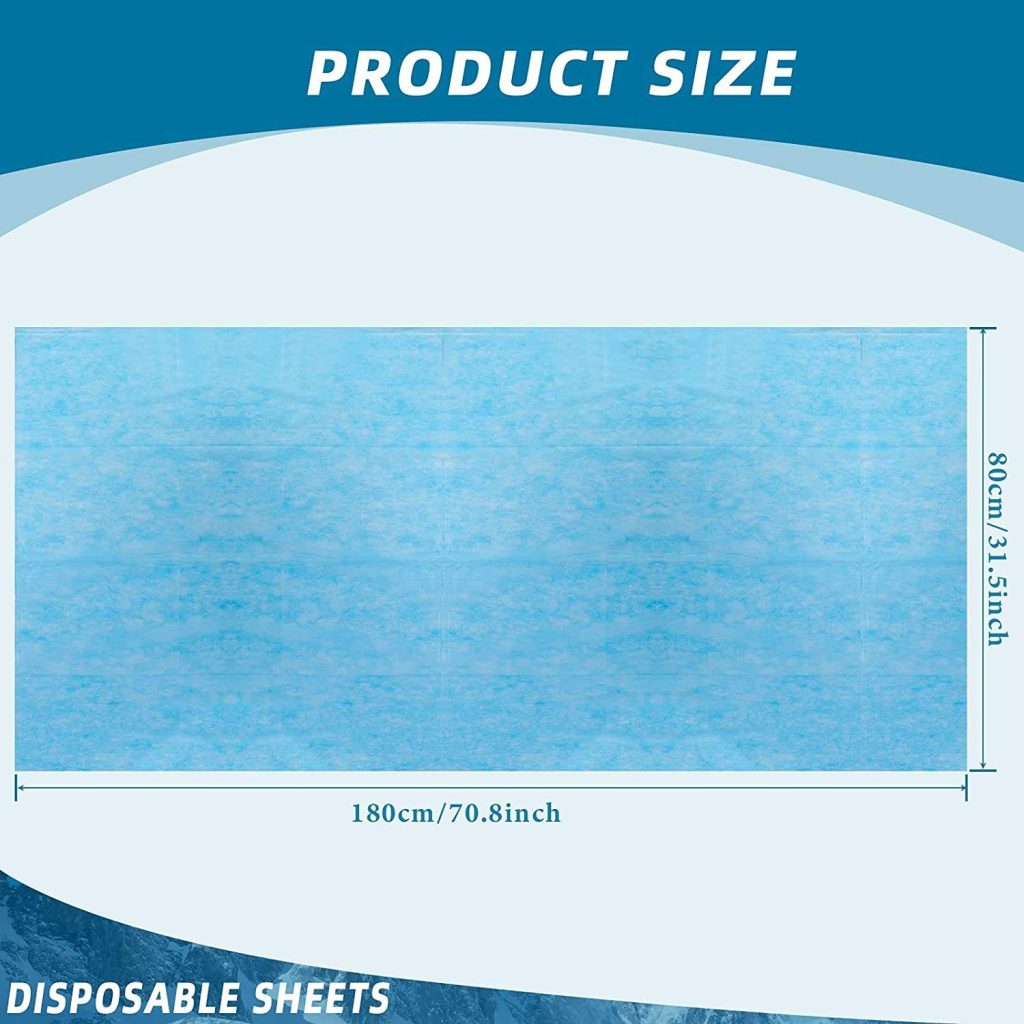
The dimensions have to be measured not only described by means of general notions like medium or large. Depending on the product, buyers can verify the length, width, sleeve length, chest width, cuffs dimensions, elastic band length and the opening size. The acceptable tolerances for each measurement have to be recorded. If there are various sizes in one purchase order, then the most important of them have to be verified.
Construction and Workmanship Approval
The sample must be evaluated for construction aspects that impact product quality and uniformity. The sample in case of disposable PPE should include stitching, ultrasonic welding, seams, cuffs, closures, attaching elastics, reinforcing areas, and edges among others. It is the responsibility of buyers to determine acceptable quality of workmanship and list down visible defects that will make it non-conforming. Photographs of construction features could also be included in the specification sheet for use during bulk production.

PPE Pre-Production Sample and Golden Sample Approval Process
Pre-production sample of PPE should not reflect the existing product but a product of the final production configuration. This approved sample becomes the golden sample for reference by production and QC teams during bulk manufacturing process.
Confirm the Final Product Configuration
It is imperative that the buyer verifies the material, GSM, measurements, size, color, structure, accessories, closures, labeling, printing, and packing prior to accepting the sample. In case there are multiple colors or sizes to be included, then it must be determined whether there is a need for more samples. This will prevent any suppliers from misinterpreting different requirements while producing the items and assure that the accepted sample matches what the buyer anticipates receiving in the final bulk order.
Create a Controlled Golden Sample
The approved sample of gold will require that there be a product code, sample number, revision date, and status of approval. Both the buyer and the supplier must keep an identical record for future reference. If this is a recurring order, photos of relevant information may be included in the specification form to make future orders easier to produce.
Define Acceptable Tolerances
Not all mass-produced goods will be exactly like a manually approved sample; therefore, tolerances must be determined before manufacture takes place. Tolerances could be agreed upon by buyers in terms of dimensions, GSM, weight, printing positions, and other measurements. The tolerance set needs to be reasonable enough while still ensuring purchasing needs are covered. This will give a basis for inspection which will help to avoid conflicts between suppliers, buyers, and third party quality control teams.
Complete the Approval Sign-Off
The final sample approval process should be documented rather than just relying on messages or verbal communications. The sample approval sheet needs to include information about the product, sample number, revisions, specifications, packaging, inspection instructions, and approval date. It is important for both parties to acknowledge that the approved sample can now be used for manufacture. Should there be any changes to the specification, the supplier needs to provide a new sample.
Medical Supply QC: Five Procurement Decisions Before Bulk Production
Sample approval should be in line with the entire procurement decision rather than functioning as an independent QC process. The buyers should use the sample approval for making five key decisions prior to bulk production order: about product specification and quality, about packaging and compliance, and about delivery capability. In this way the sample approval will become linked to the supplier’s production capabilities and help the buyers spot possible risks prior to the order.
Product Specification Decision
The first decision is if the product meets the buyer’s specification and if the supplier has the capability of reproducing the approved quality in consistent manner. Such attributes as material, GSM, sizes and dimensions, colors and construction have to be compared to those of the RFQ and golden sample. Moreover, buyers have to examine incoming material inspection, in-process QC, and final inspection processes.
Packaging and Compliance Decision
The second decision is about packaging and its compliance. Purchasers need to be sure that the individual packaging, quantity, carton design, size, labeling, barcode, and other printed information have been determined prior to the production process. Simultaneously, the suppliers need to be assessed based on the documents that are necessary for the particular market and type of products. Early assessment of packaging and compliance issues could help avoid repacking, customs clearance, documentation, and delivery issues.
Delivery and Supplier Capability Decision
The third decision concerns the delivery capacity of the chosen supplier. Purchasers must assess the production capacity, availability of raw materials, MOQ, sampling period, lead time, packaging capabilities, inspections, and efficiency of communication. A supplier capable of producing satisfactory samples may be unable to fulfill big orders, which means that his overall manufacturing ability needs to be assessed first.
Medical Consumables RFQ and Supplier Comparison Checklist
Once the sample is approved, the buyer will be able to refer to the confirmed specs in order to create an accurate RFQ and perform the supplier comparison based on those specs. Instead of concentrating just on the unit cost of production, buyers should consider the manufacturing ability, the quality control, customization, MOQ, communications, and delivery performance of the supplier. A standard RFQ will allow for easier comparison of quotations from different suppliers.
Manufacturing Capability and Quality Control
Buyers should find out if the suppliers have any experience in manufacturing the needed medical consumables or PPE. The suppliers’ experience in producing similar nonwoven products will eliminate many potential risks related to the material, dimensions, construction, packaging, and manufacturing consistency. The buyers also need to find out if the suppliers have any system of inspections (incoming material, in-process, finished product, and pre-shipping).
MOQ, Customization, and Pricing
MOQ, customization, and costing should be considered as one entity instead of being considered in isolation. The buyer of medical consumables might have requirements such as certain color choices, size choices, dimensions, labeling options, and private label packaging. The unit cost might lose its competitiveness if customization fees, cost of packaging, or MOQ is high. The buyers should thus get a quote based on similar specifications in order to enable the suppliers’ costs and commercial value to be compared more easily.
Lead Time and Communication
The efficiency of sampling process, the lead time for manufacturing, communication efficiency, and lead time might influence inventory management. The RFQ should ask the supplier for the time taken to manufacture samples, the time taken for bulk production, and the time taken for shipment. It is important to analyze the level of effectiveness by which suppliers communicate with regard to technical questions and changes in the specifications.

FAQs about Private Label PPE MOQ Planning
What affects private label PPE MOQ?
MOQ will vary according to the product type, materials used, size, color, degree of customization, packaging method, and manufacturing process. Buyers must clarify if the MOQ is applicable to the whole order or per SKU in calculating the total order quantity.
How can buyers reduce first-order inventory risk?
Utilize the ordering forecast of PPE to recognize popular items and concentrate on core size and color offerings. Fewer variations at the start will minimize the risk and allow for more adjustment to demand later.
Should packaging quantity be included in MOQ planning?
Yes. Quantity packs determine SKU numbers, carton counts, storage needs, and purchase volumes. Packaging of PPE products must be done along with their specifications so that packaging costs and inventory needs may be controlled accordingly.
What should a PPE distributor ask suppliers?
The distributor must ask questions related to MOQ, pricing per unit, specifications of the product, quality of the samples, packaging, customization, lead times, documentation, quality control, and repeat orders. Methodology used by distributors to calculate MOQ must also be specified.
Is a low PPE distributor MOQ always better?
It is not always necessary. An MOQ that is too low may cause less initial inventory but may carry higher costs per unit or limited customization opportunities. Customers need to consider MOQ in relation to quality, cost, time, packaging, and replenishment before making a decision.
Conclusion
Having an organized Medical Consumables Sample Approval Checklist Prior to Mass Production enables buyers to convert the sample used prior to mass production into a useful standard for manufacture, quality control, packaging, and delivery. Through verification of the golden sample, GSM, color, size, packaging, tolerance, capability of supplier, and RFQ specifications before manufacture, buyers will be able to minimize any unnecessary quality risks.
To explore reliable medical consumables and PPE sourcing solutions, visit Medical,pet,hotel,beauty non-woven supplies & scrub suits – GUANG ZHOU SHIJINGCHENG NON-WOVEN PRODUCTS CO.,LTD to learn more about our products and manufacturing capabilities.