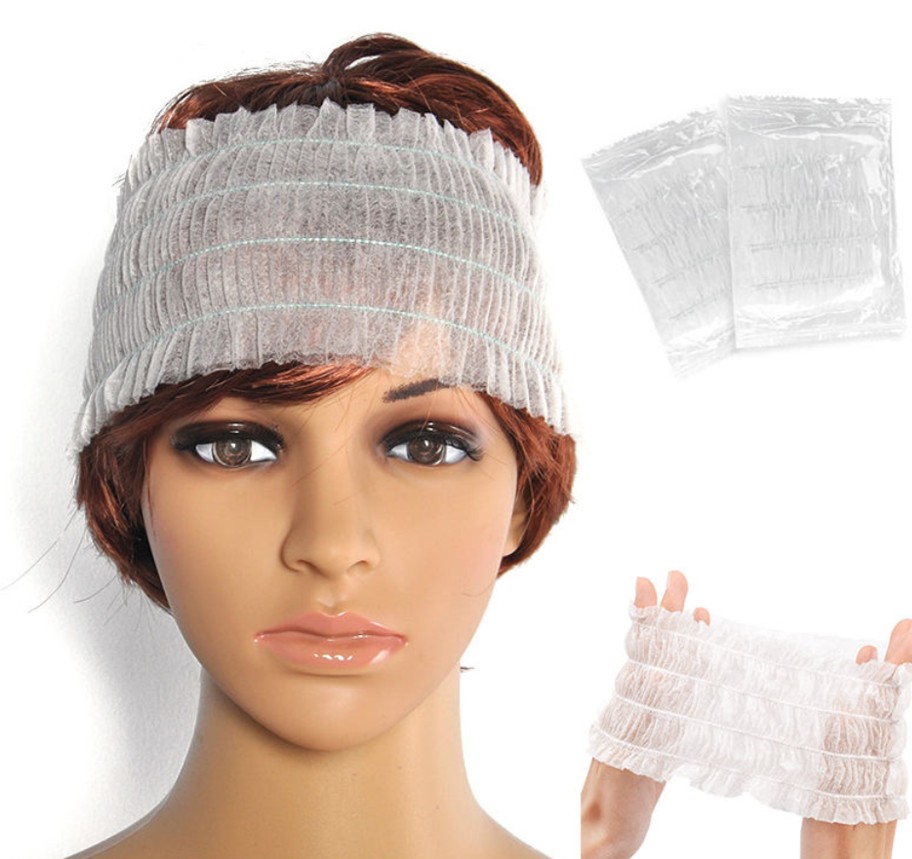
Disposable spa headbands are essential supplies used in beauty salons, spas, skincare centers, and aesthetic clinics to keep hair away from the face during cleansing, facial treatments, mask application, and other beauty services. For buyers sourcing disposable spa headband wholesale products, several factors beyond unit price require careful consideration, including material quality, comfort, packaging, and supplier reliability. Comparing a Velcro spa headband, an elastic facial headband, and other styles helps buyers identify products that meet different customer needs. When sourcing disposable beauty supplies, including Velcro spa headband options, importers, aesthetic clinic procurement managers, and private label brands should evaluate product specifications during the research stage. This guide provides practical purchasing insights for buyers in the United States, United Kingdom, France, Italy, Spain, the UAE, and Australia.
Why Disposable Spa Headbands Matter in Wholesale Procurement
These are quite simple products, but they may vary in quality and affect treatment efficiency and client comfort. A good headband should hold hair away from the treatment area without excessive pressure or hindrance.
Understanding Different Customer Requirements
For beauty salons and spas, the key issues are convenience, comfort, and quality control. In the case of aesthetic clinics, there is a need for standardization and packaging. As far as retailers and private labels are concerned, colors and design matter.
It is useful to know the characteristics of the target audience when choosing disposable spa headband products wholesale for import. Professional buyers will most probably be looking for plain and user-friendly headbands, whereas beauty retail brands will show interest in colored designs that match cosmetics kits.
Defining Requirements During Specification Research
In the phase of specification research, it is important to identify the type of closure system, dimensions, construction material, packing, and quantity per order.
At the same time, it is important to determine whether it is a disposable or reusable fabric headband.
Comparing Elastic, Velcro, and Bow-Style Spa Headbands
Each model has different advantages and limitations. Buyers should evaluate convenience, comfort, and presentation rather than assuming one design suits every customer.
Elastic Facial Headband: Convenient and Easy to Apply
Elastic headband is a stretchy band that fits different head sizes due to its elastic nature. Elastic headband is easily worn and removed, making it an appropriate choice for routine procedures on the face and other aesthetic procedures.
What matters most is the balance between elasticity and recoverability of the product. The consumer is supposed to examine the product concerning its relaxed length, stretched length, width, and composition.
When ordering the product in bulk, testing the sample becomes crucial.
Velcro Spa Headband: Adjustable Fit
The adjustable area of the Velcro spa headband helps accommodate the varying size of the head.
Buyers need to check the fastening area of the headband to make sure that there will be no problem regarding security and comfort during usage.
Customers should know first the dimensions of the fastening area before buying, including the adjustment range, length of overlapping, and finishing of edges.
Also, they should know if the product is meant for one-time or repeated usage.
Bow-Style Spa Headband: Decorative and Retail-Friendly
Bow-style spa headbands are decorative products that make a product line attractive for gift packs, retail kits, and private label collections.
However, visual appeal should not replace functional testing. Buyers need to check whether the bow remains securely attached, whether the design feels comfortable, and whether the headband keeps hair away from the treatment area.
Confirm the bow dimensions, attachment method, fabric consistency, and packaging requirements before approving bulk production.
| Feature | Elastic Style | Velcro Style | Bow Style |
| Main advantage | Quick application | Adjustable fit | Decorative appearance |
| Key specification | Stretch and recovery | Closure strength | Bow attachment |
| Main concern | Slipping or tightness | Fastening comfort | Shape consistency |
| Suitable priority | Professional efficiency | Flexible sizing | Retail presentation |
Key Specifications to Confirm Before Ordering
Once the preferred style is selected, it is important to document the technical specifications. This documentation helps ensure that bulk-ordered headbands match the approved sample.
Head Circumference and Dimensions
Headbands that are too narrow may fail to cover all the hair, while overly wide ones can be inconvenient during treatments. Buyers should specify the finished length, width, and intended head circumference range.
For elastic models, record the dimensions in both relaxed and stretched states. For Velcro models, determine the minimum and maximum usable sizes. Decorative bows may require additional measurements.
This information is crucial when comparing wholesale quotations from different suppliers.
Material Softness and Construction Quality
Because headbands come into direct contact with the forehead, material softness and seam quality affect the user experience. Rough edges, loose threads, and hard fastening areas can cause discomfort.
Ask suppliers to identify the materials used in the main band, elastic part, fastener, and decorative elements. Depending on the design, a headband may consist of nonwoven fabric, polyester, and elastic materials.
Inspect samples for tearing, uneven stitching, thickness inconsistency, and loose components. If the product claims to be suitable for sensitive skin, ask for supporting data rather than relying on generic phrases like skin-friendly or high-quality.
Disposable Use and Hygiene Requirements
Disposable products ensure convenient turnover in professional settings, but being disposable does not always mean being sterile. Buyers should clarify the intended application and avoid unsupported claims about sterilization or infection protection.
If the headbands are intended for clinical use, determine whether any additional requirements apply.
Packaging Options for Wholesale and Private Label Buyers
Packaging affects handling, hygiene, storage, freight costs, and retail presentation. It should be included in the initial product specification.
Individual Packaging Versus Bulk Packaging
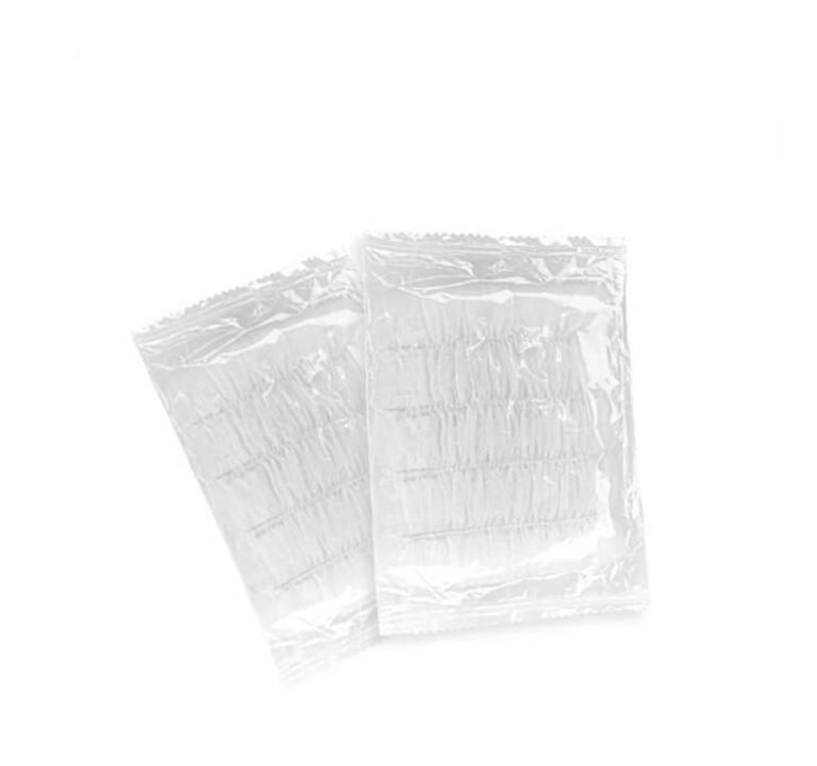
Individually wrapped headbands make it easier to distribute products to treatment rooms and customers. Bulk packaging may be more economical for high-volume salons and distributors that replenish supplies frequently.
Compare units per bag, units per carton, carton dimensions, and gross weight. Compare quotations using identical packaging specifications, because a lower unit price may not include the packaging options required for the final market.
Private Label Packaging and Customization
Private label products may require custom bags, labels, inserts, barcodes, or retail-ready boxes. Confirm the available printing options, artwork requirements, minimum quantities, and setup fees.
Color consistency also matters when headbands are sold alongside facial masks or other beauty consumables. Approved samples or color references can help reduce discrepancies between production runs.
Before production begins, establish responsibility for artwork approval, packaging inspection, and label verification. This helps prevent additional costs from adjustments after production.

How to Compare Disposable Spa Headband Suppliers
Price alone does not provide a complete picture of supplier reliability. Buyers should evaluate quality control, production capacity, communication, and delivery performance.
Quality Control and Sample Approval
Find out how suppliers check dimensions, material defects, elastic recovery, fastening capability, and packing accuracy. General guarantees of high quality are less useful than clearly defined inspection procedures.
Ask shortlisted suppliers for samples and evaluate them against the same criteria. Record the approved sample and specifications before mass production. For large orders, establish defect classifications, inspection procedures, and methods for resolving quality issues.
MOQ, Lead Time, and Production Capacity
The minimum order quantity (MOQ) affects inventory investment and the ability to test a new product. Flexible MOQs can benefit young private label brands, while distributors may place more emphasis on manufacturing capabilities and repeat-order availability.
Ask suppliers to specify sample preparation, approval, production, inspection, and delivery times separately. Customized colors and packaging may require additional time.
Export Support and Market Requirements
Suppliers serving the USA, UK, France, Italy, Spain, UAE, and Australia should be clear about product specifications, carton details, and shipping documents.
Importers should confirm the relevant requirements for their products and destination markets. Product descriptions should match the actual intended use.
A common risk is receiving bulk products that differ from the approved sample. Changes in fabric, dimensions, color, fastening components, or packaging can affect customer satisfaction and increase return costs.
To reduce this risk, maintain written specifications and sample approval records. Require prior approval for material substitutions or design changes, and confirm final inspection arrangements before production starts.
Buyers should also verify shipment schedules, carton markings, packaging quantities, and agreed shipping responsibilities. For repeat orders, maintain quality records and compare incoming batches with previously approved requirements.
These measures help importers and private label brands establish a more consistent purchasing process while controlling avoidable costs.
Conclusion
Choosing between elastic, Velcro, and bow-style headbands requires a balanced assessment of fit, comfort, construction, packaging, and supplier reliability. Elastic styles offer convenience, adjustable closures accommodate different users, and bow designs provide additional presentation value for retail collections.
For beauty and SPA importers, aesthetic clinic procurement managers, and private label brands, a structured specification review and RFQ process can reduce sourcing risks and improve purchasing decisions. To explore more product options and find reliable solutions for your business, visit Medical,pet,hotel,beauty nonwoven supplies & scrub suits – GUANG ZHOU SHIJINGCHENG NONWOVEN PRODUCTS CO.,LTD to learn more about our disposable spa headband wholesale products and other disposable beauty supplies tailored to professional beauty and skincare markets.
FAQ About Disposable Spa Headbands Wholesale
1. What is the difference between elastic and Velcro spa headbands?
Elastic spa headbands rely on stretch to fit different head sizes and are convenient for quick application. Velcro spa headbands feature adjustable hook-and-loop closures, allowing users to customize the fit. Buyers should compare comfort, adjustment range, material quality, and intended use before selecting a style.
2. What should buyers check when sourcing disposable spa headbands wholesale?
Buyers should confirm material composition, dimensions, fit, softness, closure performance, packaging, MOQ, and production lead time. Requesting samples and agreeing on quality inspection criteria before mass production can help reduce sourcing risks.
3. Are Velcro spa headbands suitable for private label brands?
Yes. Velcro spa headbands can be suitable for private label beauty brands that prioritize adjustable fit and product differentiation. Buyers can discuss custom colors, packaging, labels, and order quantities with suppliers. They should also confirm whether the product is designed for single use or repeated use.
4. How should buyers choose between disposable and individually packaged headbands?
The choice depends on the intended distribution and handling process. Bulk packaging may suit high-volume salons, while individual packaging can simplify product distribution and retail presentation. Buyers should compare packaging costs, carton dimensions, storage requirements, and customer expectations.
5. How can importers evaluate a reliable disposable beauty supplies supplier?
Importers should compare product samples, quality control procedures, MOQ, production capacity, lead times, customization options, and export support. A clear RFQ and documented sample approval process help ensure that delivered products match the agreed specifications.