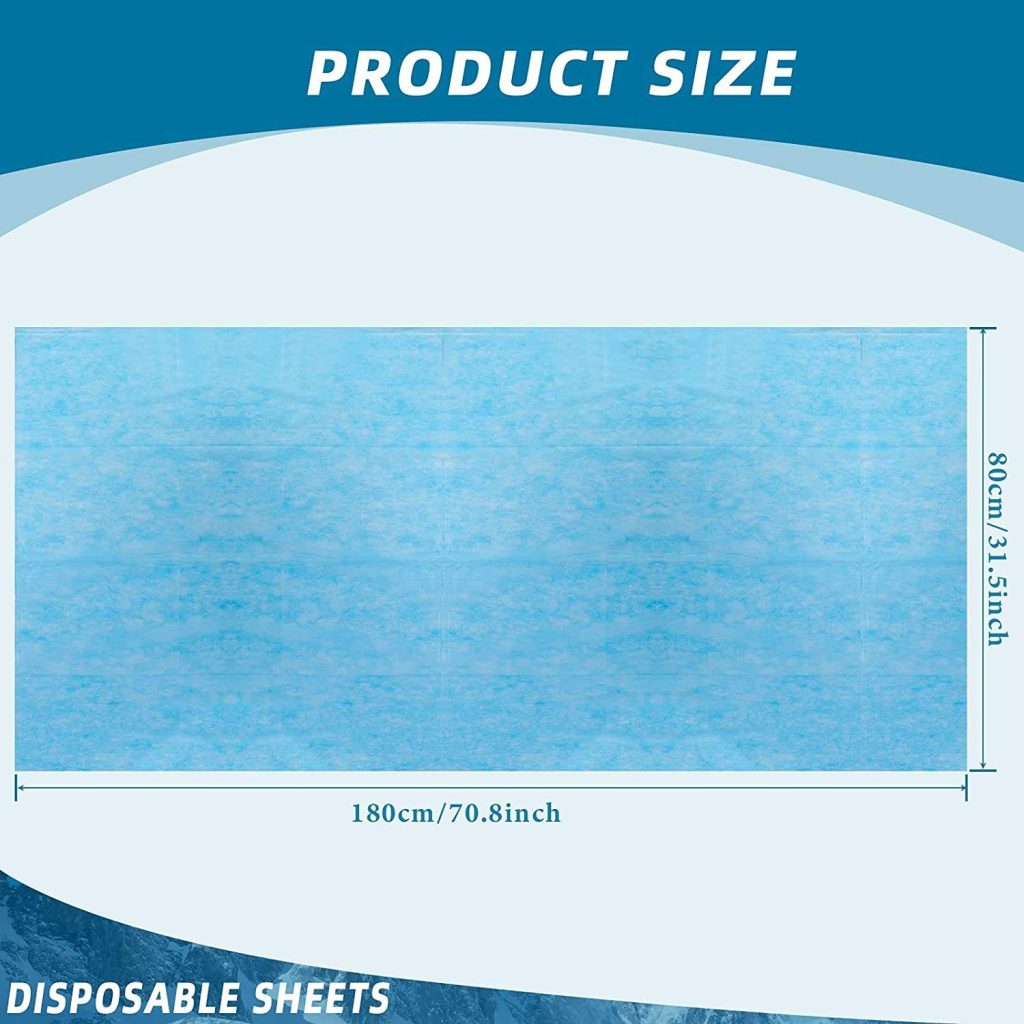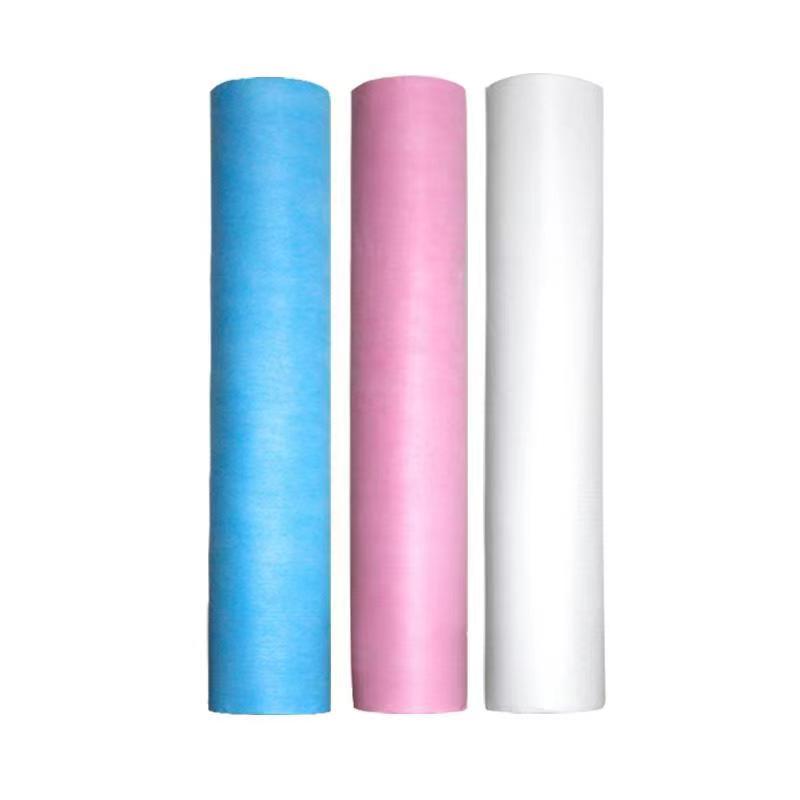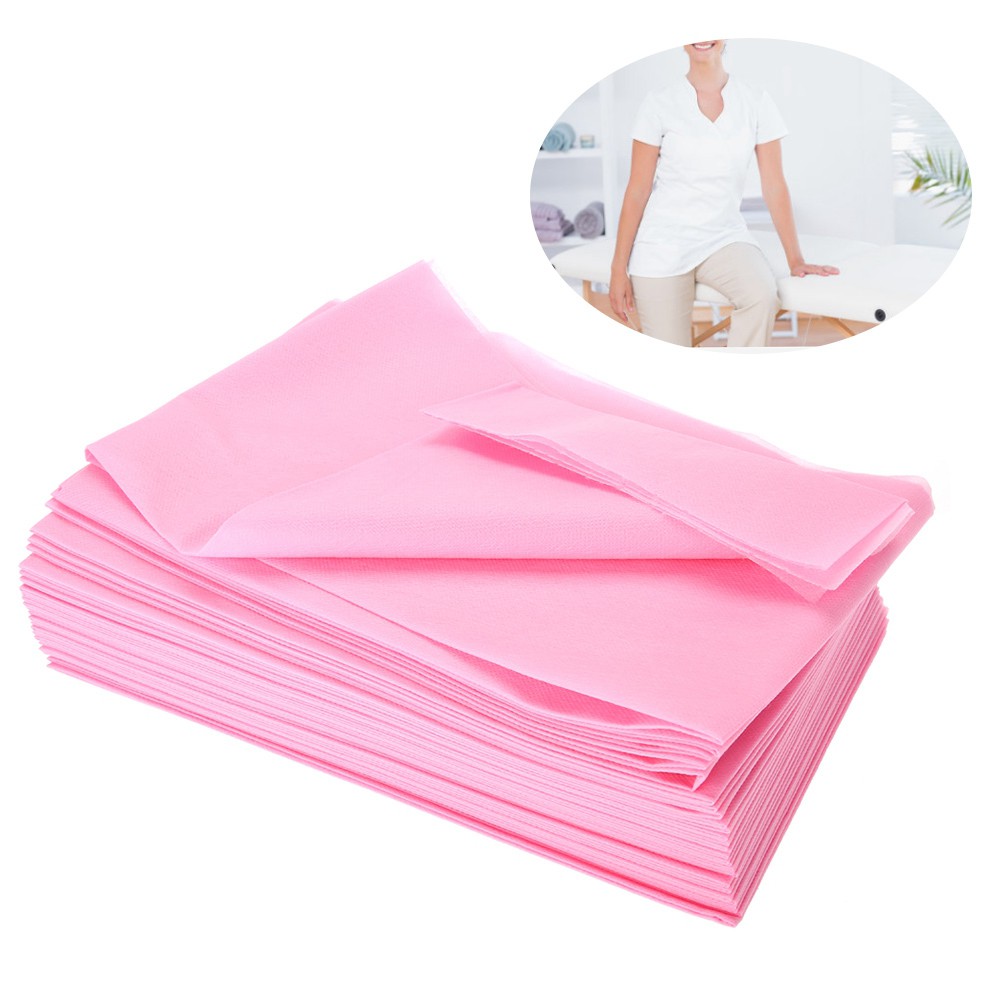
Setting up a new dental clinic is not only about purchasing dental chairs and equipment but also about hygiene maintenance because clinics need reliable disposable materials every day. As for importers, distributors, dental chain buyers, and private label buyers, having a well-planned dental clinic starter kit will ease the purchasing process and help control initial costs.
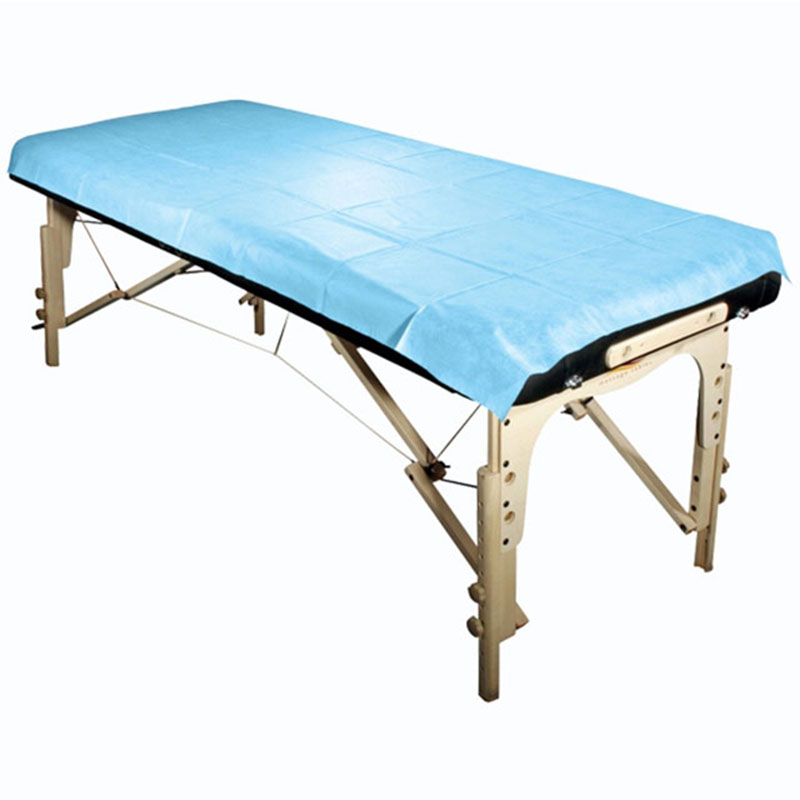
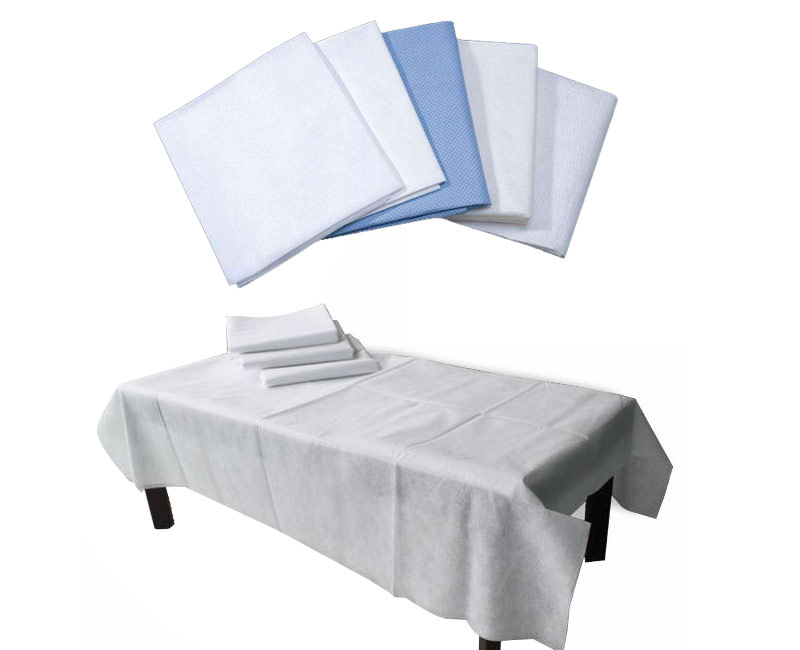
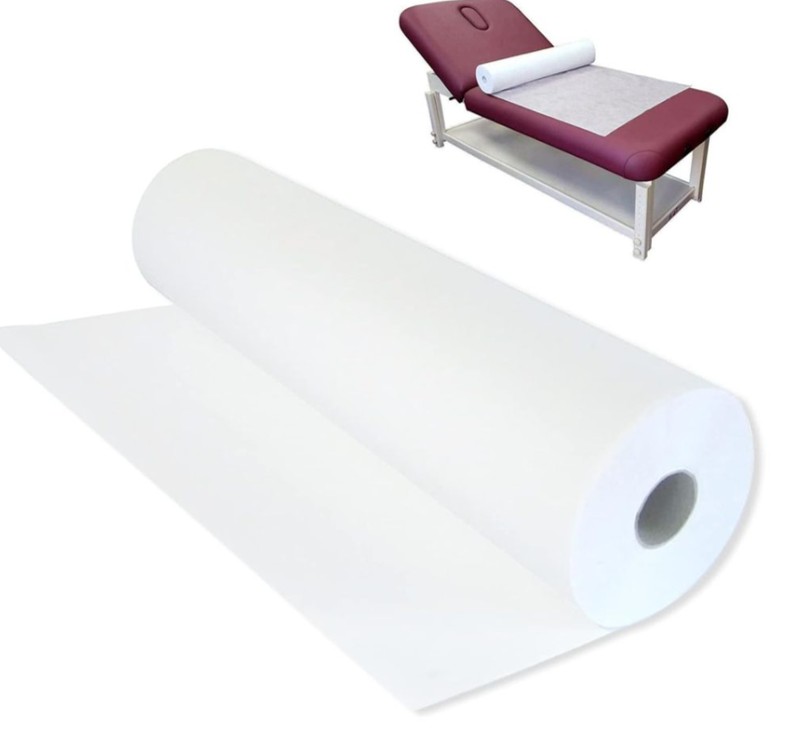
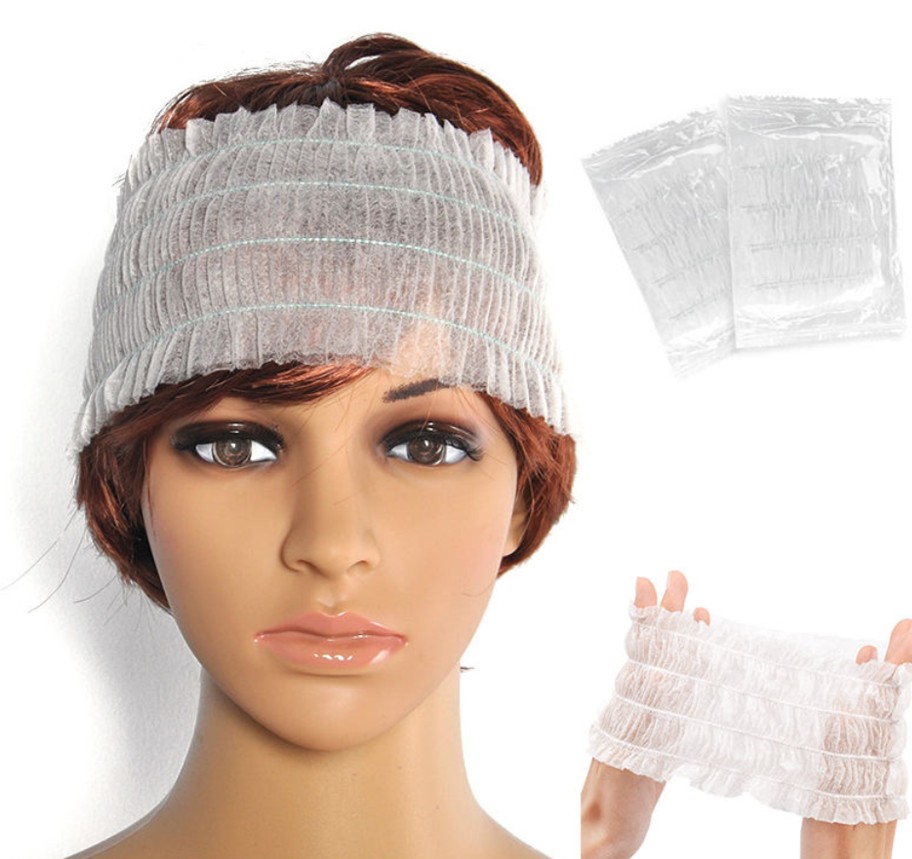
The basic items to be included in the starter kit are dental bibs, face masks, disposable caps, shoe covers, and disposable bed sheets. Depending on the number of operatories, patient turnover rate, local market requirements, and storage space availability, buyers may need to add other new dental clinic supplies to the starter kit.
This guide provides information about creating three tiers of starter kits, determining the number of SKUs, controlling dental consumables MOQ requirements, comparing suppliers, and preparing an RFQ. It also explains how to build a practical dental distributor bundle that balances product quality, packaging, purchasing costs, and delivery requirements.
1. Develop Three Starter Kit Tiers
Before contacting suppliers, buyers should identify their target customers and define the purpose of each kit. A tiered product structure lets distributors serve different budgets without carrying unnecessary inventory.
Basic Kit: Cover Essential Needs
The starter kit is appropriate for small independent clinics, new clinics, and distributors in a new territory. The main emphasis will be placed on five key categories: dental bibs, face masks, disposable caps, shoe covers, and bed sheets.
Consumers need to choose products with proper sizes, convenient packaging, high quality, and attractive prices. Dental bibs need to ensure proper coverage and protection from liquids, while face masks should meet the necessary performance criteria. The rest of the items have to be more practical than just aesthetically pleasing on paper.
A limited number of products can save money for new clinics and make forecasting much easier.
Standard Kit: Improve Purchasing Flexibility
An extended version of the kit adds more colors, sizes, or packaging depending on what the customers require. In this case, the hospitals might require different colors of the bib for regular treatment as compared to the treatment for children, and distributors would have different types of masks.
This level caters for practices that have more than one chair and also the clinics. Too much diversification can cause problems with managing the SKUs and lead to dead stock.
The purchaser needs to concentrate on those SKUs which are commonly purchased and add more SKUs only when there is sufficient justification from sales figures.
Premium Kit: Support Private Label Buyers
A high-end kit will cater to the dental chains, bigger distributors, and private label customers who wish to have a distinct range of products. Some of these could be branded packaging, customized color schemes, packaging of products, and customized pack sizes.
The private label projects would require artwork approval, packaging design, sample confirmation, and label check. The custom items would also include a higher MOQ and some setup costs.
Not all products need customization. It is possible to focus on branded packaging for the products in which you wish to make higher sales, and keep the other products in regular packaging.

2. Calculate SKU Quantities Based on Demand
A suitable SKU mix should reflect actual consumption rather than assigning identical quantities to every product category.
Forecast Monthly Consumption
The demand must be calculated based on the number of patients visiting per day, operating days, and the expected usage per visit, along with provision for unexpected demand or wastage.
For instance, if there are 60 patients per day with 26 days of operation in a month, the total number of patients would be around 1,560 in a month. If one dental bib is required per visit, then with a 10% allowance, the estimated demand will be 1,716 dental bibs per month.
This is just an example of estimating demand, and it varies based on the actual consumption rate. There should be different forecasted demands for masks, caps, shoe cover, and bed sheets, as the consumption pattern may be different for each of them.
Prioritize High-Turnover Products
Distributors must categorize products depending on the number of sales and replenishment rate. The high-turnover goods have to be closely controlled since any shortage may disturb the supply to customers. The medium- and low-turnover products need to be acquired with greater caution.
This will allow determining what products should definitely be included into the initial package and what is to be added optionally.
Keep the SKU Range Manageable
A difference in size, color, materials, or packaging could mean a new SKU, and too many small volume SKUs could cause working capital problems.
Start from an initial set of product offerings and add more only when there is consumer demand for more products. When developing private label programs, make sure you know whether different MOQs apply to the product, packaging, and assembled kit.
3. Establish a Practical Dental Consumables MOQ Strategy
MOQ affects the initial investment, unit pricing, and purchasing flexibility. Buyers should evaluate minimum quantities for individual products as well as complete bundles.
Separate Product and Packaging MOQs
While there is likely some flexibility in quantity on regular dental bibs, customized packaging might need a bigger order size. Full kit assembly would also have a separate MOQ because of all five items being packaged together.
It is advised to ask the supplier for MOQ per SKU, packaging in private labels, and kit assembly separately. It is better not to assume that there is one MOQ applicable to the whole order.
New distributors should start with standard products with custom outer packaging in order to make brand building easier.
Compare Volume Discounts With Inventory Costs
While bigger purchases can lower unit prices, the buyers need to consider the storage cost and the risk of having unsold items in relation to the savings from the lowered prices.
The buyers will obtain quotations for different volumes of purchase. They include the test order, the usual purchase volume, and the predicted bigger volume. Through this comparison, they will determine if the reduced price will be worth it despite the bigger volume.
Lower price units do not always mean cheaper purchases since it depends on the time the extra purchase will be sold.
Negotiate Replenishment Terms
Based on the capability of the suppliers, the buyer may decide to plan deliveries either in scheduled or phased mode according to the purchase commitment made by the buyer. This will assist in lowering down the strain in the warehouse and diversification of the product range.
The buyer should confirm whether the supplier has the capability to allocate the stock, quote prices, and repeat orders. In the case of customized products, the buyer should confirm whether the supplier has any finished good, packaging material, or standard products.

4. Verify Quality, Packaging, and Market Requirements
Buyers need to first make sure there are specifications, and that suppliers will be able to meet the destination market requirements, before ordering.
Specify Every Product Clearly
Make sure the samples meet the requirements, such as dimensions, construction, quantity per pack, and print quality. In case of private label manufacturing, make sure to inspect the finished product design, labeling, bar codes, and packaging before mass production starts.
Obtain the dimensions, weight, and quantity per carton for calculating the shipping costs. It is also important to discuss the way the supplier would handle defective items and those rejected according to the new specification.
Approve Samples and Packaging
Ensure that the specifications are met by the samples in terms of dimension, structure, number per package, and print quality. If you use private label manufacturing, ensure to check on the design of the completed product, its labeling, bar code, and packaging before mass production begins.
Get the dimension, weight, and number per carton for computing the cost of transportation. It is also imperative to negotiate on how the supplier will treat the damaged and rejected goods under the new specification.
Check Destination-Market Requirements
Potential customers from the USA, Germany, the United Kingdom, France, the Netherlands, the UAE, and Australia need to make sure they understand the product and label requirements before they order their products. Private labelers need to figure out who is going to handle the label approval process for them.
5. Compare Suppliers and Prepare an Effective RFQ
A structured RFQ makes supplier quotations easier to compare and reduces the risk of overlooking important commercial details.
Compare Suppliers Consistently
Make sure that all suppliers have the same bill of materials, specifications of goods, quantity and packing.
Take into account common pricing method, e.g. cost per piece, kit or package.
Also assess manufacturing capability, quality, customization opportunities, manufacturing time, payment options and repeat orders possibilities.
It would be nice to find out whether the company produces everything itself or obtains these things from different manufacturers.
This does not mean that the most competitive quotation will win.
The competitive quotation should have stable specifications, documentation and deliveries.
Use a Complete RFQ Checklist
Preparation of data before contacting the suppliers:
Listing of products along with its specification: Dental bibs, masks, caps, shoe covers, and bed sheets with their respective specifications.
Details of ordering: Details regarding trial order quantity, monthly demand, annual quantity and re-ordering schedule.
Minimum quantity and pricing information: MOQ of each SKU, MOQ of packaging, price list, cost of sample and kit packaging.
Information about quality: Specifications of product, sample approval, inspections and other documentations.
Packing and branding details: Packing, pieces in pack, carton quantity, logo, design, label and barcode.
Shipping details: Destination, shipping terms, manufacture period, payment terms and validity of quotation.
Ask the suppliers to bring out any discrepancy in the desired specifications.
Frequently Asked Questions
1. What should a dental clinic starter kit include?
It may comprise dental bibs, dental masks, disposable caps, shoe covers, and bed sheets. The selection and quantity of these materials must be done considering the size of the clinic, the number of patients, procedures to perform, and other local criteria.
2. How should buyers choose between the three kit tiers?
Basic kits provide basic components that satisfy all basic requirements. Standard kits contain basic and some variation products, while premium kits can contain private labeling of packages.
3. How can distributors negotiate a lower dental consumables MOQ?
Ask for MOQs for standard products, mixed SKU, and packaging. Request quantity discount. Utilizing standard products and modifying packaging might work, based on the supplier’s MOQ policy.
4. What quality checks should buyers complete before ordering?
Sizes, materials, manufacturing, quantities of packaging, and performance specifications should be checked. Approve samples, perform all documentation checks, and organize inspections and defect control prior to large scale production.
5. What information should an RFQ include?
The RFQ should contain information regarding the type of product, quantity, specifications, packaging, branding, minimum order quantity, destination, terms of delivery, and documentation. It is always helpful to ask the suppliers similar questions to compare the quotations.
Conclusion
An effective dental clinic start-up kit must have a balance in SKU mix, a realistic forecast of demand, and a MOQ policy that reflects sales possibilities. The basic, standard, and premium levels will help customers cater to their various clients while keeping costs low.
For importers, distributors, dental chains, and private label buyers, the right supplier can make it easier to control costs, maintain product consistency, and scale purchasing as demand grows. Explore our dental consumables and sourcing solutions at Medical,pet,hotel,beauty nonwoven supplies & scrub suits – GUANG ZHOU SHIJINGCHENG NONWOVEN PRODUCTS CO.,LTD to find products that match your clinic starter kit requirements.