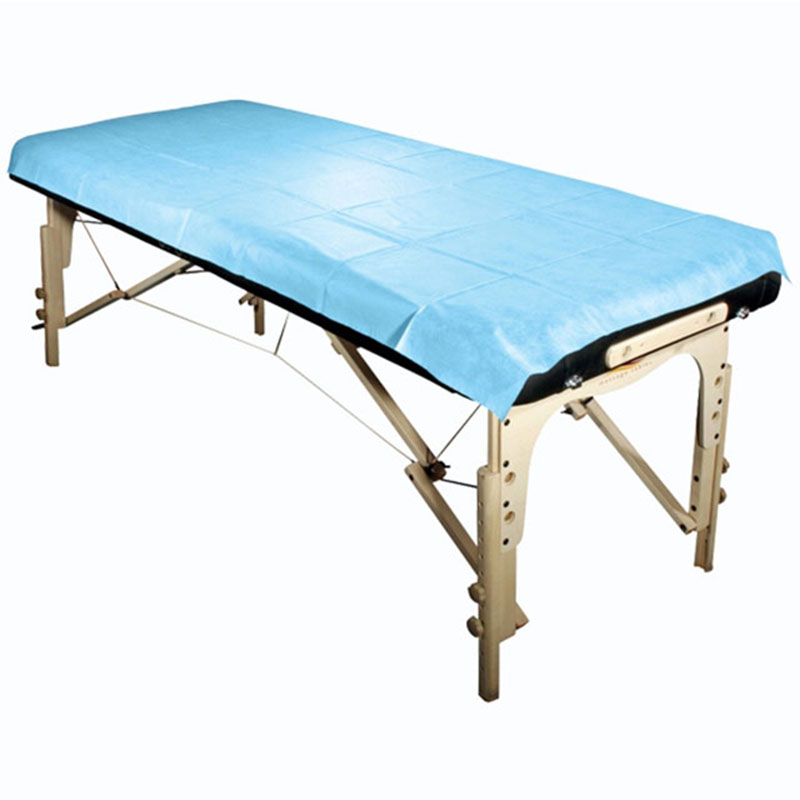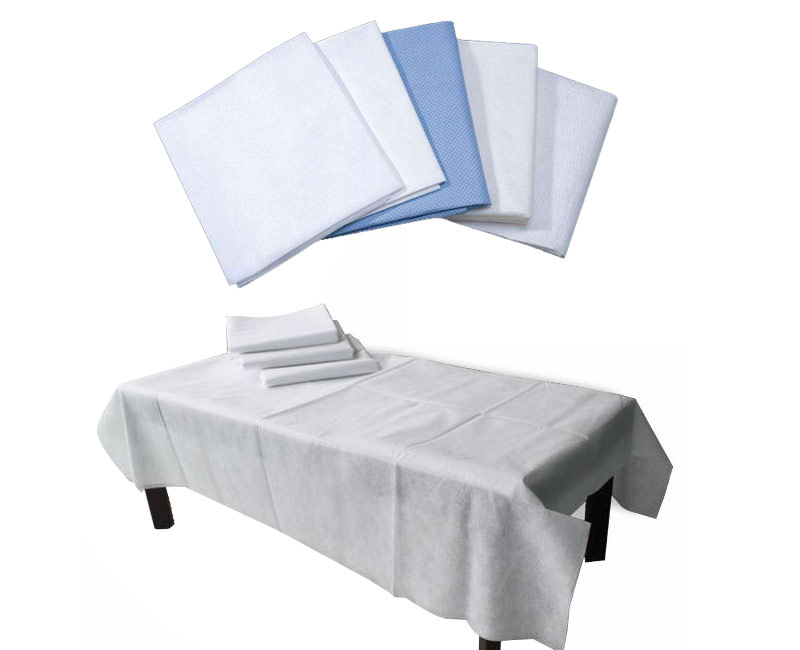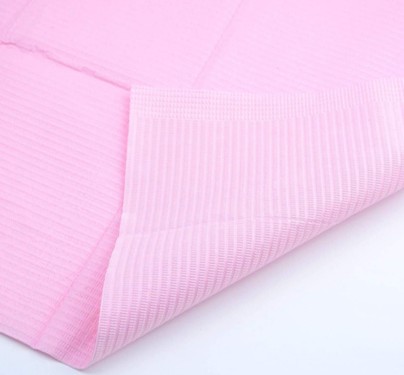
The decision between bed roll vs pre-cut disposable sheets affects the cost of operation in the salon, efficacy of the treatment room and stock management. Selection of the right format will depend on the size of the beds, treatment frequency, materials requirements and packaging for the imported beauty products, procurement manager at the aesthetic clinic and private beauty labels.
When comparing spa bed roll products with facial bed sheets, buyers need to consider more than the purchase price. Material waste, staff handling time, storage space, and shipping costs all influence the total cost per treatment. Evaluating salon bed cover wholesale options also helps buyers identify suitable products for different customer needs and purchasing budgets.
This guide compares both formats and explains what wholesale buyers should consider when selecting a supplier, evaluating product specifications, and sourcing disposable bed covers for their target markets.
1. Understanding Facial Bed Rolls and Pre-Cut Sheets
Both products allow disposable covering of the treatment beds but differ in the way the material is dispensed and used by the staff.
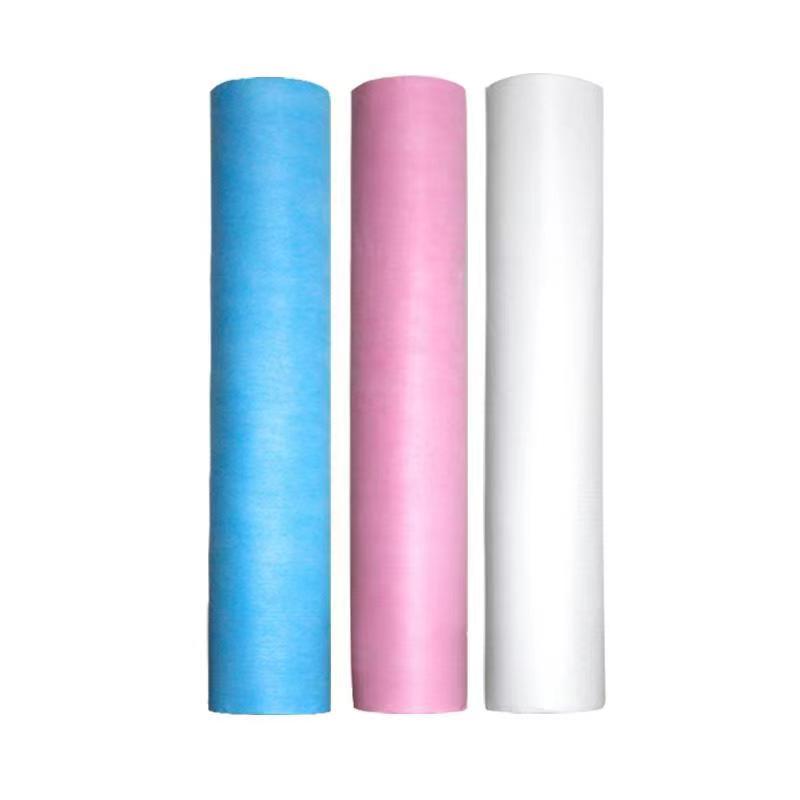
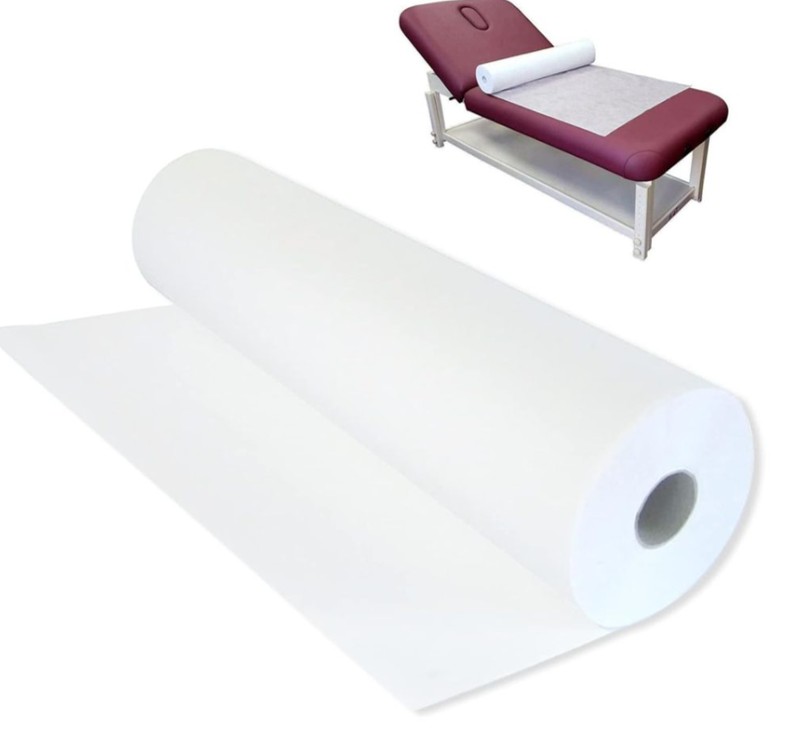
How Facial Bed Rolls Work
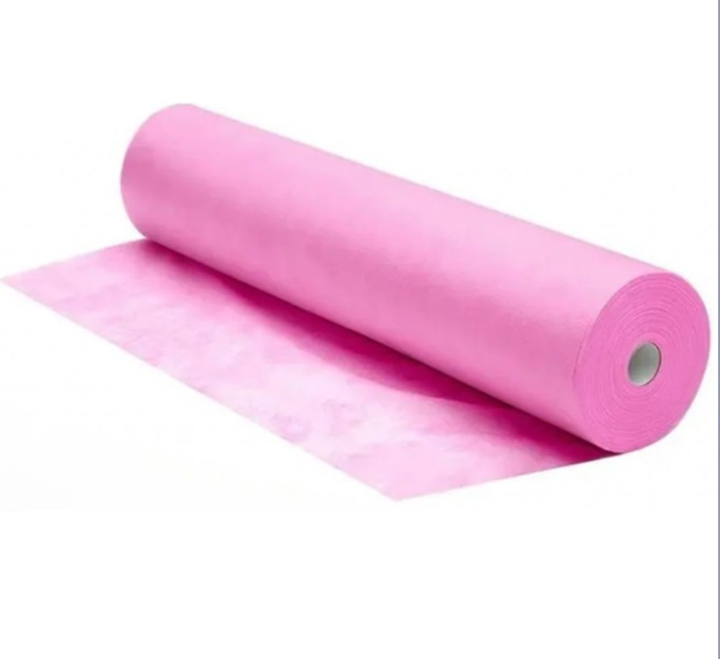
Face bed rolls have continuous sheets, which are supplied according to their need and then cut in the required size. They could also be perforated in some cases.
Bed rolls provide the flexibility needed for various bed sizes and types of treatments. Bed rolls are helpful in salons where services like face, wax, massage, etc., are provided.
Nevertheless, it is essential that the length of the roll be monitored properly as any wastage would nullify the benefit of buying rolls in bulk.
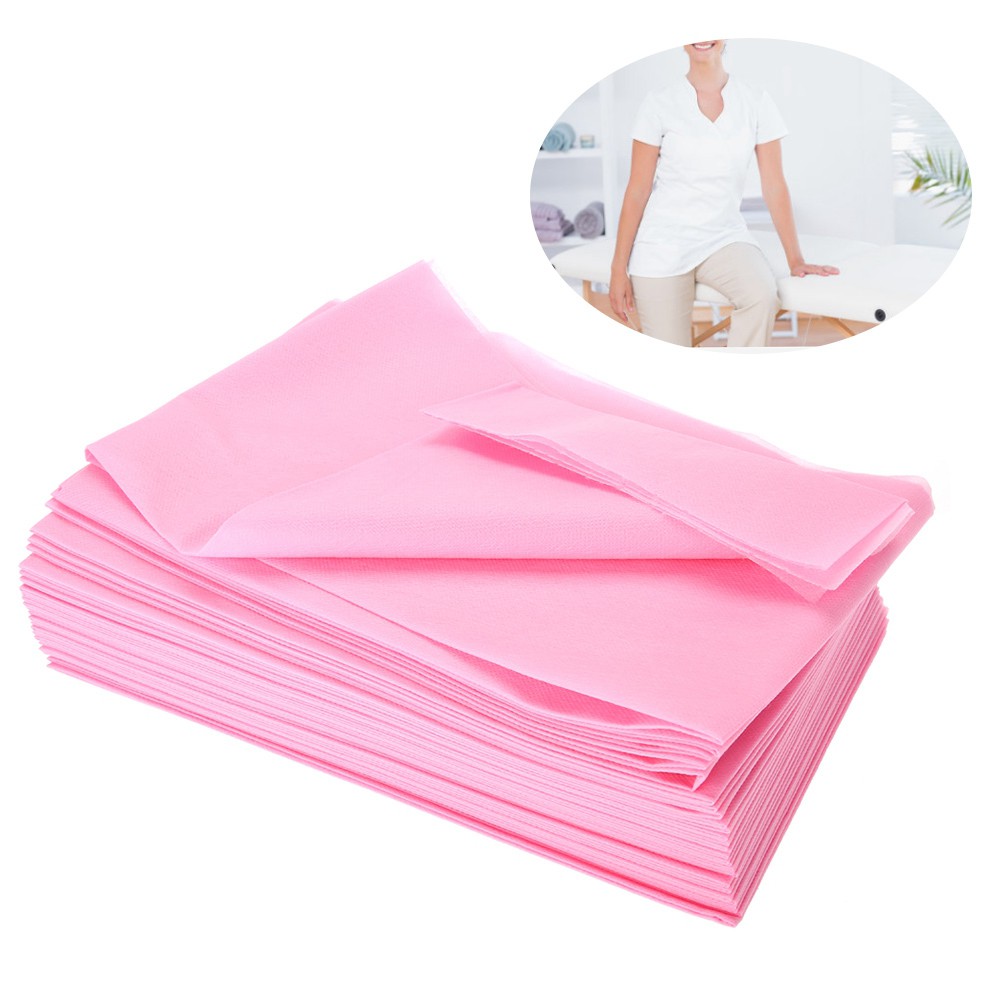
How Pre-Cut Disposable Sheets Work
Pre-cut disposable sheets have predetermined sizes and are available either in folded bundles or boxes. One single sheet can simply be taken out and laid on the treatment bed.
Such sheets make the process of preparation easy and help in predicting the usage of material. These sheets are highly suited for aesthetic centers and salon chains using beds of predetermined sizes.
However, one drawback of such sheets is that of lack of flexibility. Large sheets may result in wastage, while small sheets might not cover adequately.
2. Comparing Cost Per Treatment
The purchase price alone does not determine which format offers better value. Buyers should calculate the actual material cost per treatment and consider the operational expenses associated with each option.
Calculate the Cost of Each Usable Unit
For rolls, divide the delivered roll cost by the number of usable sections for treatment. For pre-cut sheets, divide the delivered pack cost by the number of sheets.
If the cost of a roll is $10 and contains 100 usable sections, then the cost per section will be $0.10. On the other hand, a pack with 100 sheets that is $12 will have a cost per sheet of $0.12.
The above computations are only meant for illustration. The real cost will depend on factors such as quality of material used, size, quantity ordered, packing, and transportation. Also, the buyer needs to determine if one section or sheet will cover the whole treatment.
Include Labor and Material Waste
Cutting may be needed in cases where the roll does not have perforations unlike when it comes to pre-cut sheets.
There is the issue of wastage of material which can be attributed to bad cutting, big sizes of the sheets, and damage of parts of the sheets. This can lead to high volume salons using many materials.
In evaluating the salon bed covers wholesale offers, one has to calculate the cost of every treatment.
3. Comparing Treatment-Room Efficiency
Efficient treatment room turnover is crucial for salons, spas, and aesthetic clinics with busy appointments. Covers should be easy to dispense, arrange, and remove between patients.
Pre-Cut Sheets for Standardized Workflows
This makes the task easier since no cutting or measuring is required. The benefit lies in the case when there are standardized treatment beds and rapid room preparations.
Furthermore, the standardization of cover sizes could be useful in regard to the training of workers. Clinic managers could come up with a standardized procedure of room preparation.
Nevertheless, sheets have to fit well. Otherwise, all time savings will go away since workers have to adjust and change incorrect covers.
Perforated Rolls for Flexible Dispensing
The presence of perforated rolls of coverings enables one to have speed when using continuous sheets along with having flexibility when using the rolls.
The perforation must have the correct length so that it can give the appropriate coverage. In case the length is not correct, the small parts might need several strips while the larger part causes wastage.
It is advisable for buyers to try the perforated rolls on real treatment beds.
Match the Format to Appointment Volume
For smaller salons, there could be more interest in flexibility and less need for storage capacity. For larger operations, there could be more interest in continuous dispensing and continuous preparation times.
Neither method is more rapid in all situations. Testing these under normal working conditions will provide more basis for comparing workers’ productivity.
4. Dimensions, Material Waste, and Storage
Size of the product affects its material cost, warehouse space, and transportation convenience. The buyer should estimate the full package format before buying wholesale products.
Confirm the Required Bed Coverage
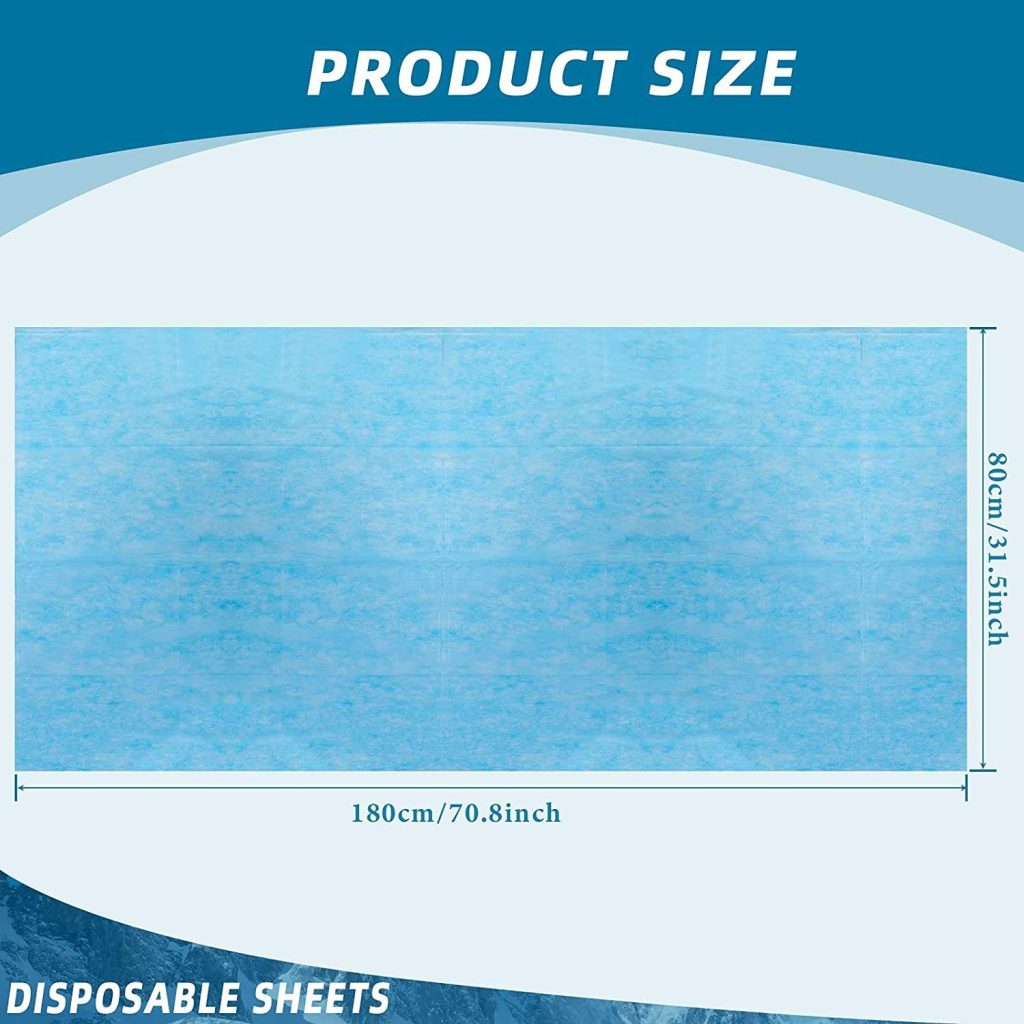
Determine the length and width of the bed and additional length needed for additional coverage around the bed and headrest. Consider the needs of various treatments like facial, waxing, massage, etc.
In case of facial bed sheets, measure their actual size instead of just the description of the product. Ask for samples and test them in the required equipment before starting mass production.
The right size will cover the bed sufficiently without excessive hanging around.
Compare Packaging and Storage Space
Rolls need packaging space based on their diameter and core whereas folded sheets can be stacked; however, when bought in large quantities, they take up shelf space.
The importer should ask for the following information in order to get the required information about the cartons’ size and weight as well as palletizing information: carton size, gross weight, number of pieces per carton.
Packaging also needs to allow for easy handling and order picking.
Avoid Unnecessary Product Variations
Variations of products lead to unnecessary complications. At the same time, using only one product for all clients could also mean a waste of product or unsuitability of the product.
A good approach is to determine the most widespread bed size among your target customers and start from there by offering several core products. More variations can be offered later when the sales numbers are sufficient.
5. The Two Specifications Buyers Should Research First
When conducting specification research, the buyer should pay attention to two key aspects: performance of the material and dimensions with packaging.
Specification One: Material and Performance
The buyer could select either paper, polypropylene nonwoven fabric, or laminated material, based on the intended application. They each have different properties of softness, absorbency, strength, and moisture resistance.
In the case of nonwoven materials, list the material composition and basis weight in grams per square meter (GSM). Higher GSM does not always mean better performance, and therefore sampling would be required.
Check for the tear resistance, surface feel, and durability under normal handling. In case of liquid resistance, check on the product construction and testing of the product under the required conditions.
Specification Two: Dimensions and Packaging
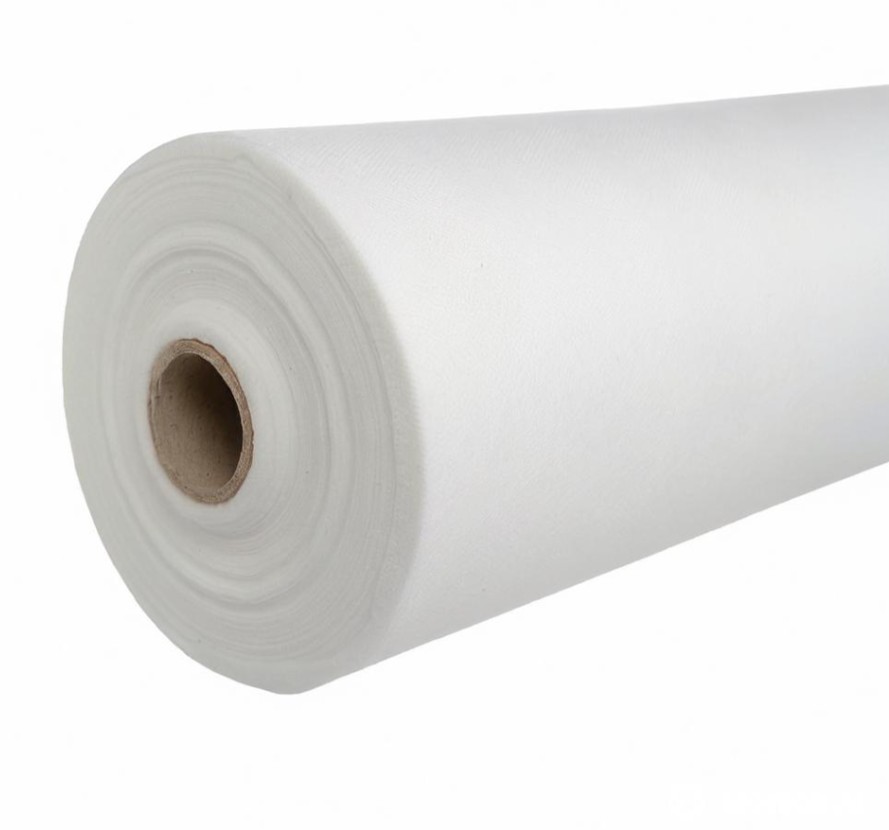
In case of rolls, list the width, total length, perforation spacing, core dimensions, and number of sections.
In the case of pre-cut sheets, list the length, width, number of sheets per pack, and the packing process. The specifications will assist the supplier to price consistently.
The packaging specification should have the inner-pack quantities, carton configuration, and private labeling requirements. This could influence the minimum order quantity and manufacturing time.
Identifying the above two specification categories before quoting will minimize confusion.
6. How to Compare Wholesale Suppliers
A good supplier must ensure consistent product quality, reasonable quotations, and realistic delivery deadlines. Importers must consider all those aspects along with pricing on a unit basis.
Compare Equivalent Products
When asking for salon bed cover wholesale quotations, it is necessary to ensure that the same materials, GSM, size, and packaging configuration are quoted by the suppliers.
In case of rolls, compare prices for each usable segment. In case of pre-cut sheets, compare prices per sheet and determine how many more pieces will be required for full coverage.
Freight, packaging, and importation costs need to be added for the landed price. The cheapest price from the manufacturer may not necessarily give the best deal.
Evaluate Samples and Quality Control
Before placing an order for the bulk quantity, ask the supplier to supply the sample and check the dimensions, softness, tear resistance, coverage, and dispensing performance.
In case of rolls, check whether the material tears easily according to perforations. In case of pre-cut sheets, check the edges and determine the dimensional accuracy.
Find out how the suppliers control the manufacturing batch and handle defects in order to remain consistent with the approved samples.
Confirm MOQ and Delivery Terms
Minimum order quantities may vary between standard and customized products. Special dimensions, printed packaging, and customized perforations can affect production costs and lead times.
Before placing an order, confirm the MOQ, sample lead time, production schedule, monthly capacity, payment terms, and shipping arrangements.
Buyers serving the United States, United Kingdom, France, Italy, Spain, Dubai, and Australia should also verify applicable import, labeling, and product requirements for their destination markets.
7. Wholesale RFQ Checklist
A standardized request for quotation helps buyers compare suppliers efficiently. Include the following details when requesting offers for a spa bed roll or pre-cut disposable sheets.
Product Specifications
Define the material, GSM, dimensions, color, and intended application. For rolls, include length, width, perforation interval, and core size. For sheets, specify finished dimensions and sheets per pack.
Quality and Sample Requirements
Request samples, dimensional tolerances, quality inspection procedures, and defect-handling details. Explain any requirements for absorbency, tear resistance, or moisture protection.
Packaging and Private Label
Specify units per pack, packs per carton, carton dimensions, gross weight, and packaging materials. For private label projects, provide branding requirements, artwork specifications, and barcode or labeling needs.
Commercial and Delivery Details
Ask suppliers to quote unit prices, MOQ, customization costs, production lead times, and shipping terms separately. Request the estimated number of treatments per roll or pack to support cost comparisons.
Using the same RFQ for several suppliers makes it easier to identify differences in product value, service quality, and delivery reliability.
8. Which Format Should Buyers Choose?
The best format depends on how the product will be used and distributed. Procurement teams should consider daily workflow, material consumption, customer preferences, and inventory requirements together.
Choose Rolls for Flexibility
Rolls are suitable when salons use different bed sizes or require adjustable coverage. Perforated versions can also provide convenient dispensing when the section length matches treatment requirements.
For wholesalers, a limited selection of roll widths and perforation options may cover several customer segments without creating excessive inventory complexity.
Choose Pre-Cut Sheets for Consistency
Pre-cut sheets work well when treatment beds have standardized dimensions and staff need ready-to-use covers. They simplify stock counting and help maintain consistent preparation procedures.
For aesthetic clinic chains, standardized products can support centralized purchasing and consistent specifications across multiple branches.
Consider Offering Both Formats
It may make sense for importers and distributors to provide rolls as well as sheets to satisfy customers with different operational needs.
First, find out what core sizes and types of materials are demanded by customers. It will help you figure out if you need to supply any other materials by using sample reviews, usage experience, and repeat purchase data.
Frequently Asked Questions
Do spa bed rolls cost less than pre-cut sheets?
No. While rolls may be more economical in terms of material cost if consumption is controlled, sheets may save preparation time and minimize cutting waste. Buyers should compare the overall price per treatment.
What features should be taken into account when buying facial bed sheets?
Mainly material composition, GSM, size, tear-resistance, packing quantity, and purpose.
How would salons decrease the use of disposable sheets?
Ensure that the treatment beds are measured and dimensions of the appropriate sheets are available. If the sheets are rolled up, measure the perforation lengths. For the pre-cut sheets, check the standard size is large enough to cover the area.
What should private label buyers put in their RFP?
Include the product specifications, packaging requirements, branding specifications, MOQ, sample approval process, manufacturing time and shipping terms. Request suppliers to separate customization costs from the product price.
Wholesalers should carry both rolls and pre-cut sheets?
It could be helpful for the wholesalers to carry both types of sheets. Initially, they may begin with the most popular sizes and add more sizes based on customer response.
Conclusion
The decision of whether to use a facial bed roll or the pre-cut disposable sheets depends on various factors such as cost of materials, labor efficiency, coverage accuracy, space for storage and reliable supply chain.
In the case of importers, aesthetic clinic procurement managers, as well as owners of private label cosmetics brands, the most efficient way to do this would be to specify two main categories of specifications, conduct sample testing, and evaluate suppliers using an RFQ process. Explore Medical,pet,hotel,beauty nonwoven supplies & scrub suits – GUANG ZHOU SHIJINGCHENG NONWOVEN PRODUCTS CO.,LTD find suitable wholesale solutions for your business needs.